Contents
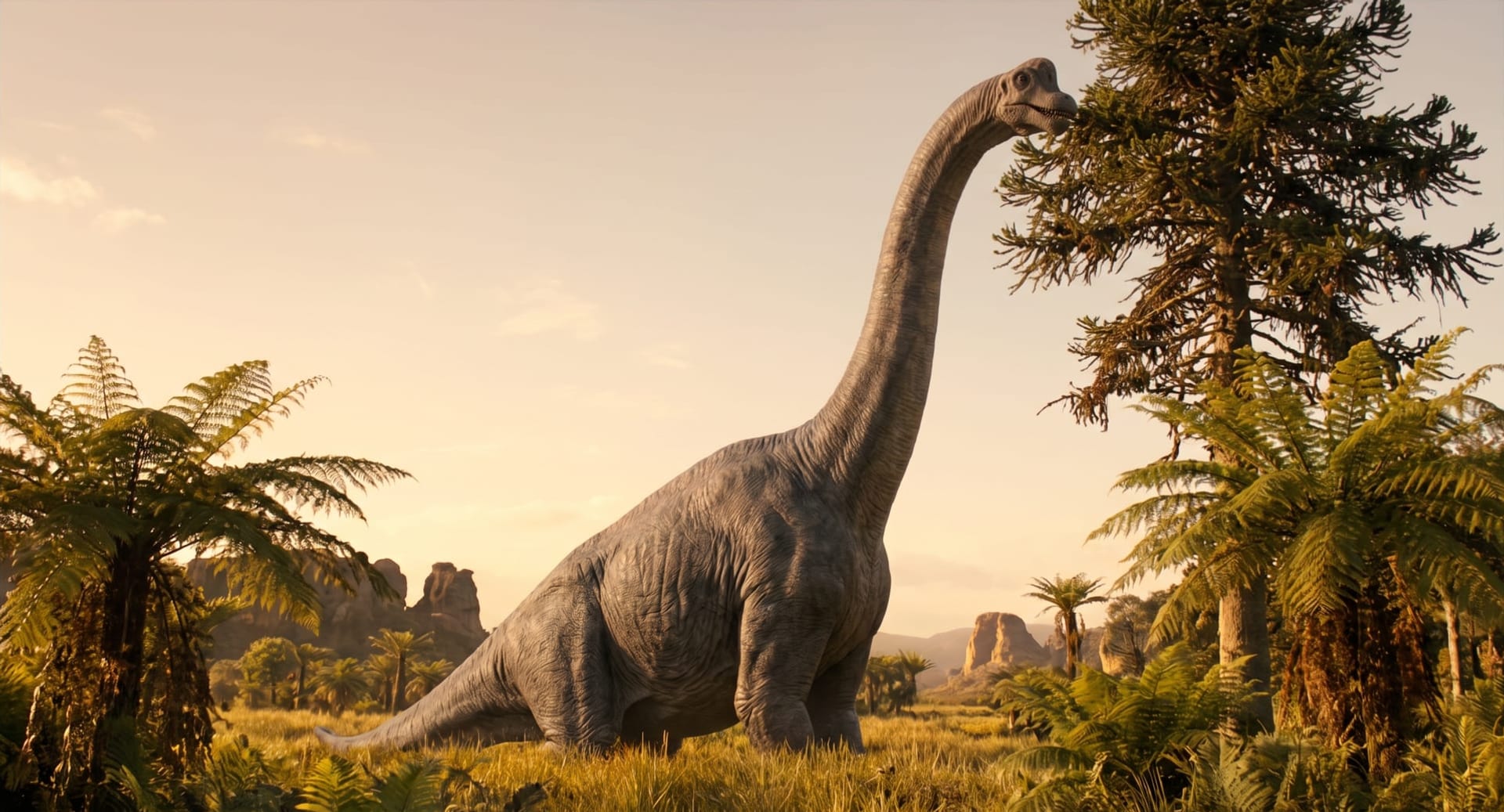
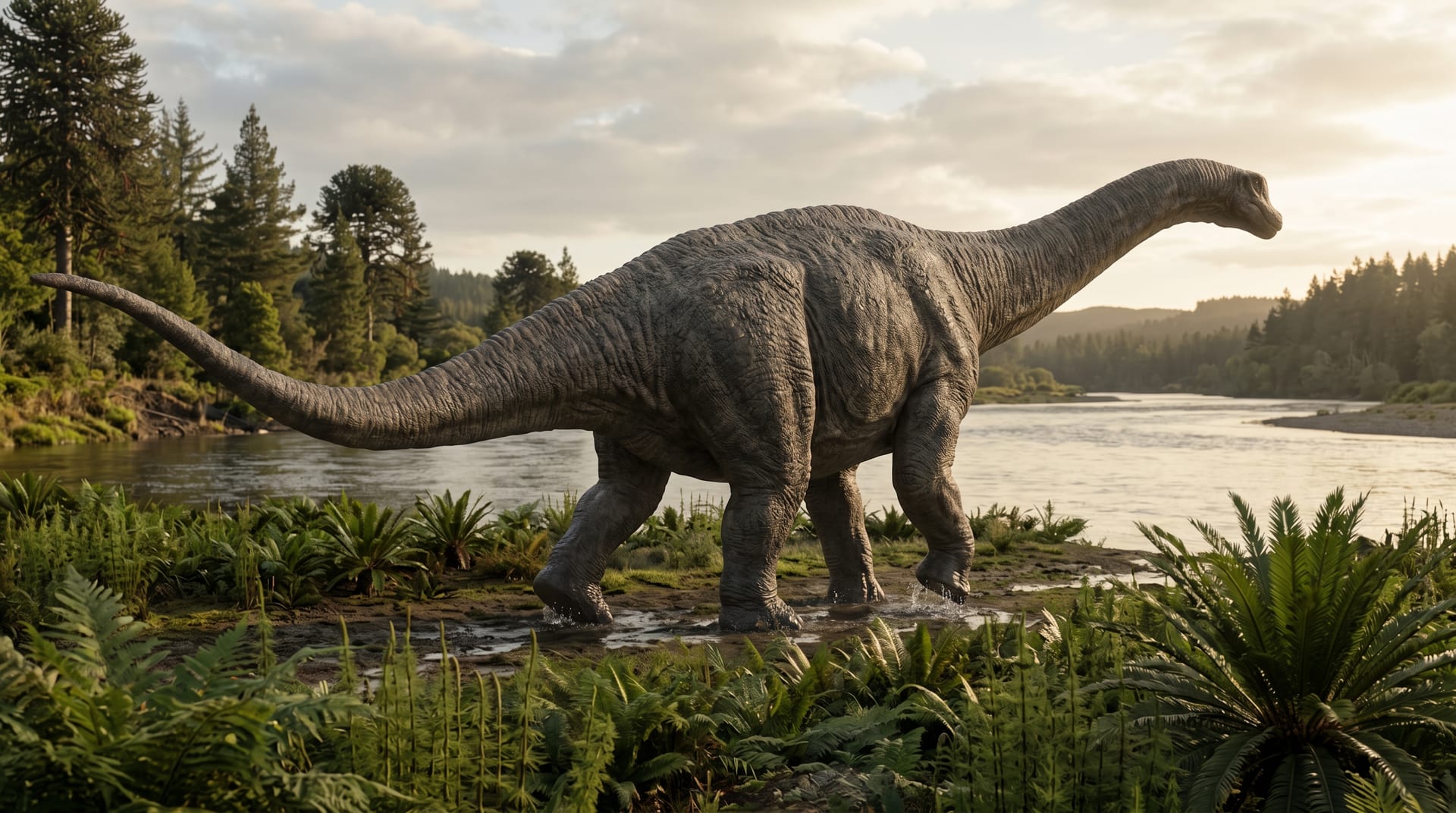
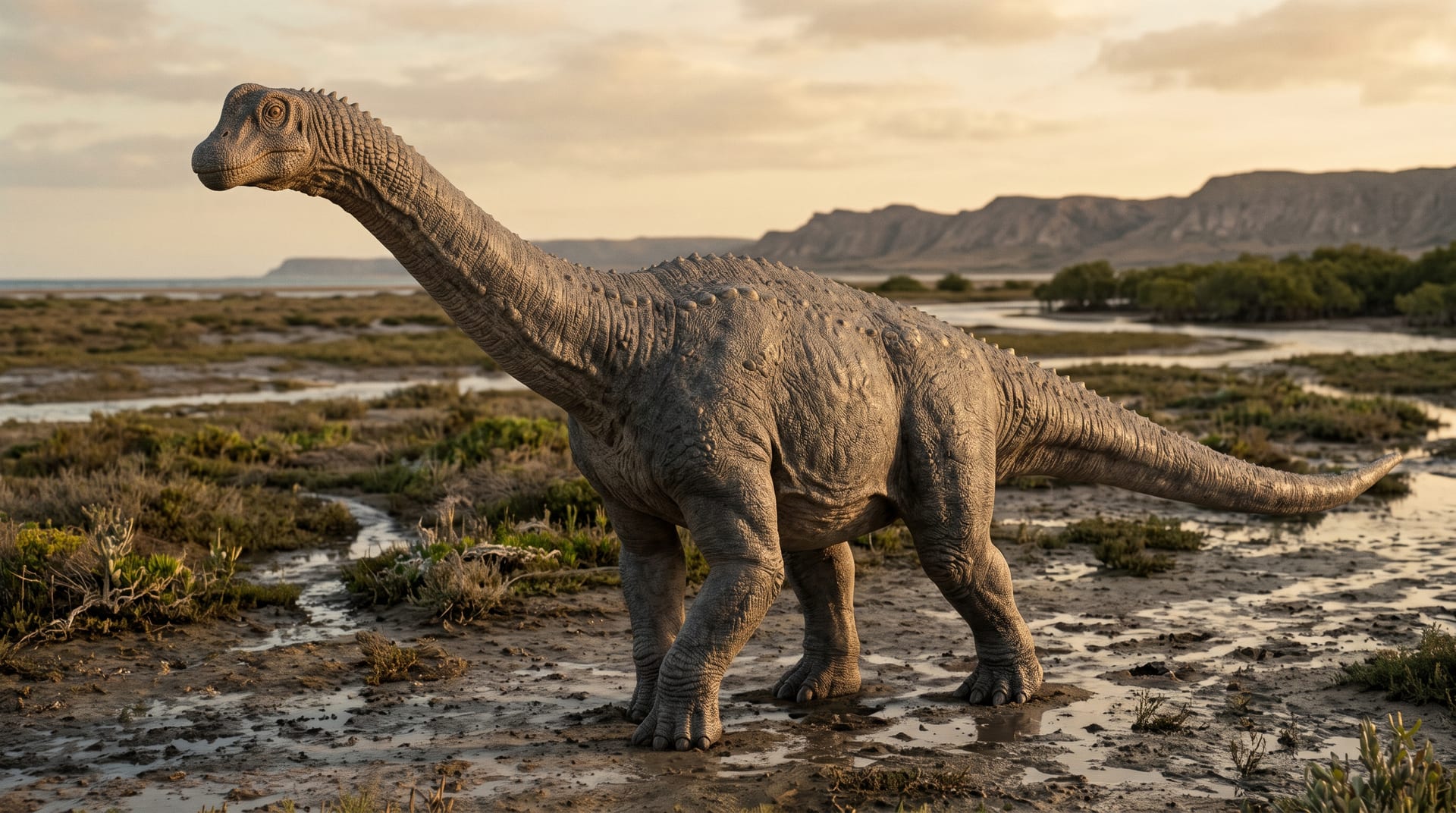
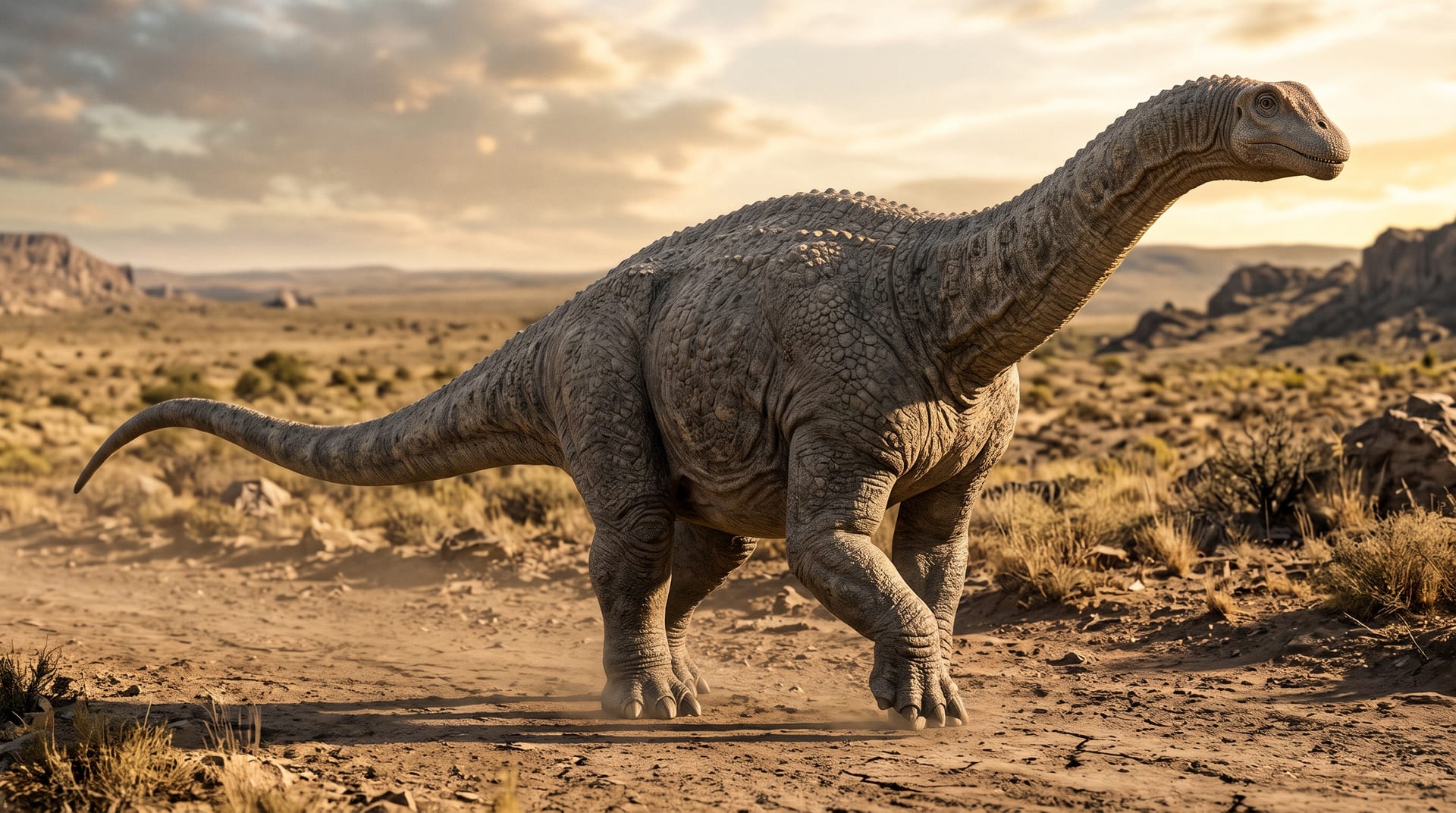
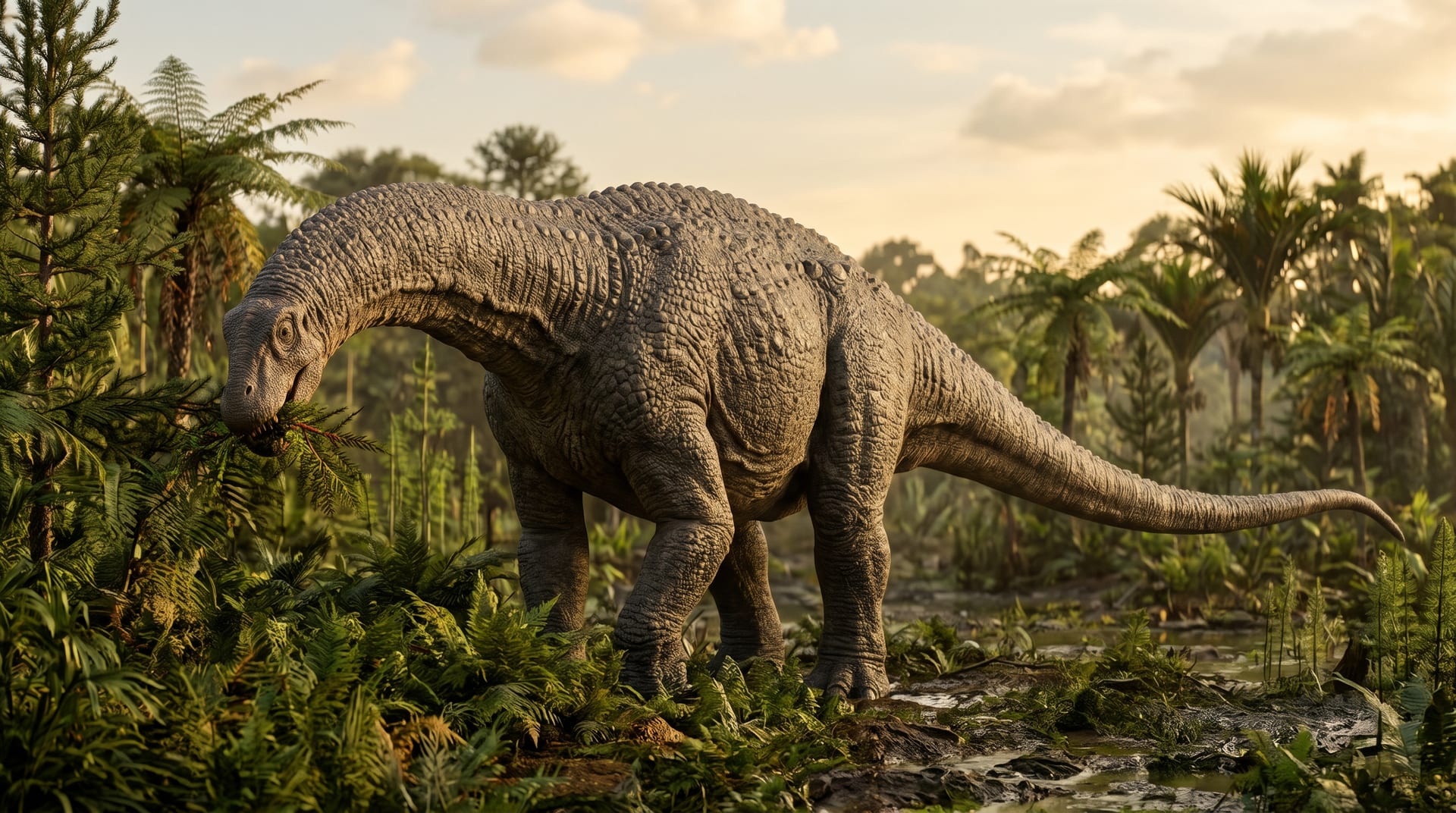
Dasosaurus was a sauropod dinosaur that lived in what is now northeastern Brazil about 120 million years ago, during the Early Cretaceous. The animal measured approximately 20 m (66 feet) in length. The genus contains a single species, Dasosaurus tocantinensis2, known from a partial skeleton found in the Itapecuru Formation1.
How big was Dasosaurus?
The type specimen belonged to a medium-to-large sauropod, approximately 20 metres (66 ft) long2. That is the same figure given in the news coverage of the description, which puts its length at approximately 20 m1. Before the animal had a name, the first reports of the find gave a smaller estimate: the possible species from Davinópolis was put at 18 metres long3 in 2021, and the same 18 metres4 was repeated when the bones went on show in 2025.
One bone gives a sense of scale. Among the first fossils dug up was a thigh bone more than 1.5 metres long3. In 2025 the Davinópolis animal was called the largest dinosaur ever found in Maranhão4. It was smaller than its close relative from Spain: Dasosaurus resembled its larger relative, Garumbatitan2.
What did Dasosaurus eat?
Dasosaurus ate plants. The scientists who studied the Davinópolis bones described it as a sauropod, with a long neck, a small head, and a herbivorous diet4. The bones described in 2026 are phalanges, ribs, an ulna, radius, tibia, fibula, femur, pubis, ischium2 and at least ten tail vertebrae.
When and where did Dasosaurus live?
The Paleobiology Database places Dasosaurus in the Aptian stage of the Early Cretaceous, between 119.57 and 113.2 million years ago5. Sci.News rounds this to about 120 million years ago1, when much of the world’s land was joined in the southern supercontinent Gondwana. In 2025, before the description, the researcher who led the study gave an age of approximately 100 million years4; the bones had no direct dating, and that figure came from the age of the rocks they were found in.
The fossils come from the Itapecuru Formation2 at Davinópolis, in the Brazilian state of Maranhão. The formation was laid down during the Aptian to Albian stages6 of the Early Cretaceous. Davinópolis lies in the southwest of Maranhão, and the find was the first dinosaur fossil from that area, though titanosaur fossils had been collected in the 1990s on Cajual Island, near São Luís3, in rocks 97 to 95 million years old.
How was Dasosaurus discovered?
The bones turned up during the building of a railway. The first dig took place in April 20214, and the fossils were removed in June. Railway staff contacted researchers, and paleontologist Elver Luiz Mayer of the Federal University of South and Southeast Pará3 sent teams to the site. The fossil material, numbered CPHNAM VT 1600, was found by an archaeologist, Daniel Ribeiro da Silva, exposed at the base of an ~8 m (26 ft)-high slope. When the find was announced in 20212, the remains were thought to be a new titanosaur.
Mayer said at the time that the bones were concentrated in a very small area3; it could not be said for certain that they came from one animal, but because no duplicate pieces were found, there were signs that they might. The bones were first studied in Pará. Once the analysis was finished, they went back to Maranhão and were shown to the public for one month4 in 2025 at the Center for Research and Natural History and Archaeology of Maranhão, in the historic centre of São Luís.
In 20265, Elver L. Mayer and colleagues named Dasosaurus tocantinensis in a paper published February 12 in the Journal of Systematic Palaeontology1. The name combines the Greek dasos, meaning forest, after the find site in Amazônia Legal, the part of Brazil that includes most of the Amazon rainforest, with saurus, “lizard”. The species name refers to Tocantins2.
What kind of animal was Dasosaurus?
Dasosaurus belonged to Somphospondyli, a group of titanosauriform sauropods that lived from the Late Jurassic until the end of the Cretaceous. Its tail vertebrae have three elongated ridges and grooves, and its thigh bone has a pronounced bulge on the outer side, a combination not seen together in any species described before. These traits place it outside the titanosaur lineage1, the group of sauropods that would later dominate the southern continents.
As of its 2026 description, its closest known relative appears to be Garumbatitan morellensis, a sauropod that lived in what is now Spain around 122 million years ago. The describers’ analyses suggest that the group formed by the two had a European origin, and that the line leading to Dasosaurus reached South America by way of northern Africa at some point between the Valanginian and the Aptian. Max Langer and colleagues say the find shows biogeographical connections with more northern Gondwanan areas1, as well as Europe.
Similar dinosaurs
- Garumbatitan: the Spanish relative, from the late Barremian7 Arcillas de Morella Formation; Dasosaurus was the smaller of the two2, and lived in South America rather than Europe.
- Nagatitan: another somphospondylan, from Thailand; its describers place it within the somphospondylan clade Euhelopodidae8, while in 2026 the closest known relative of Dasosaurus appears to be Garumbatitan1 from Spain.