Contents
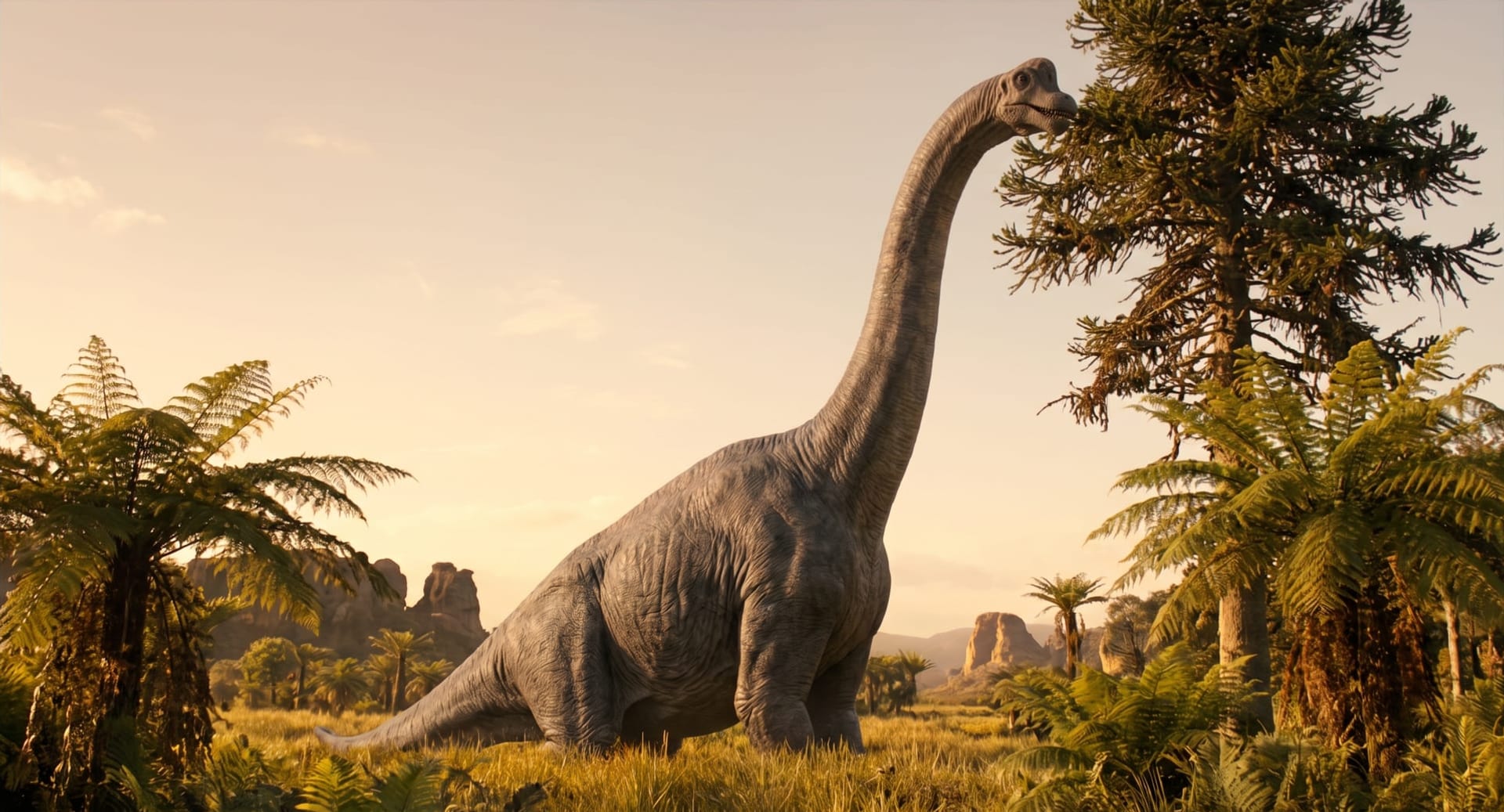
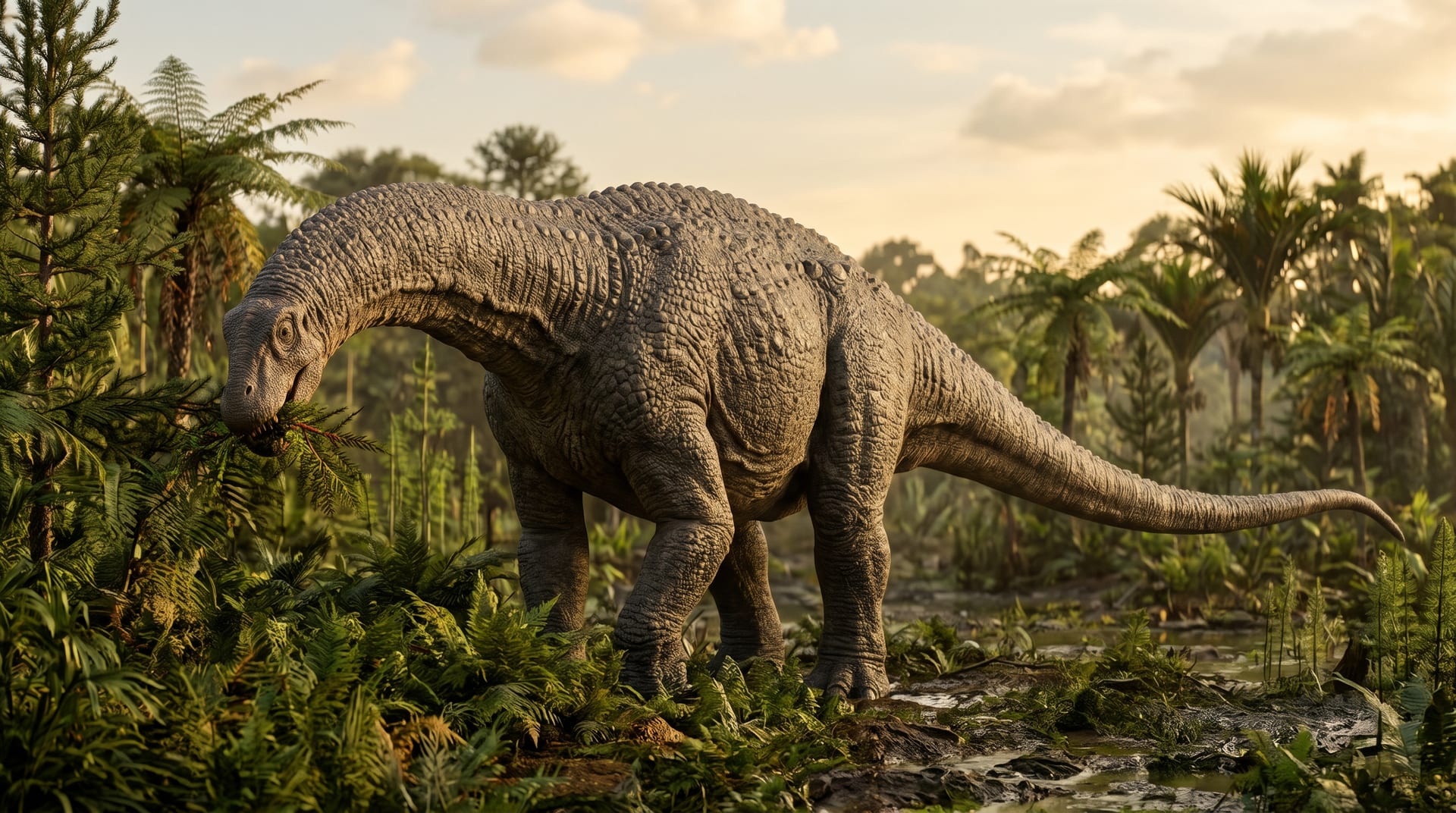
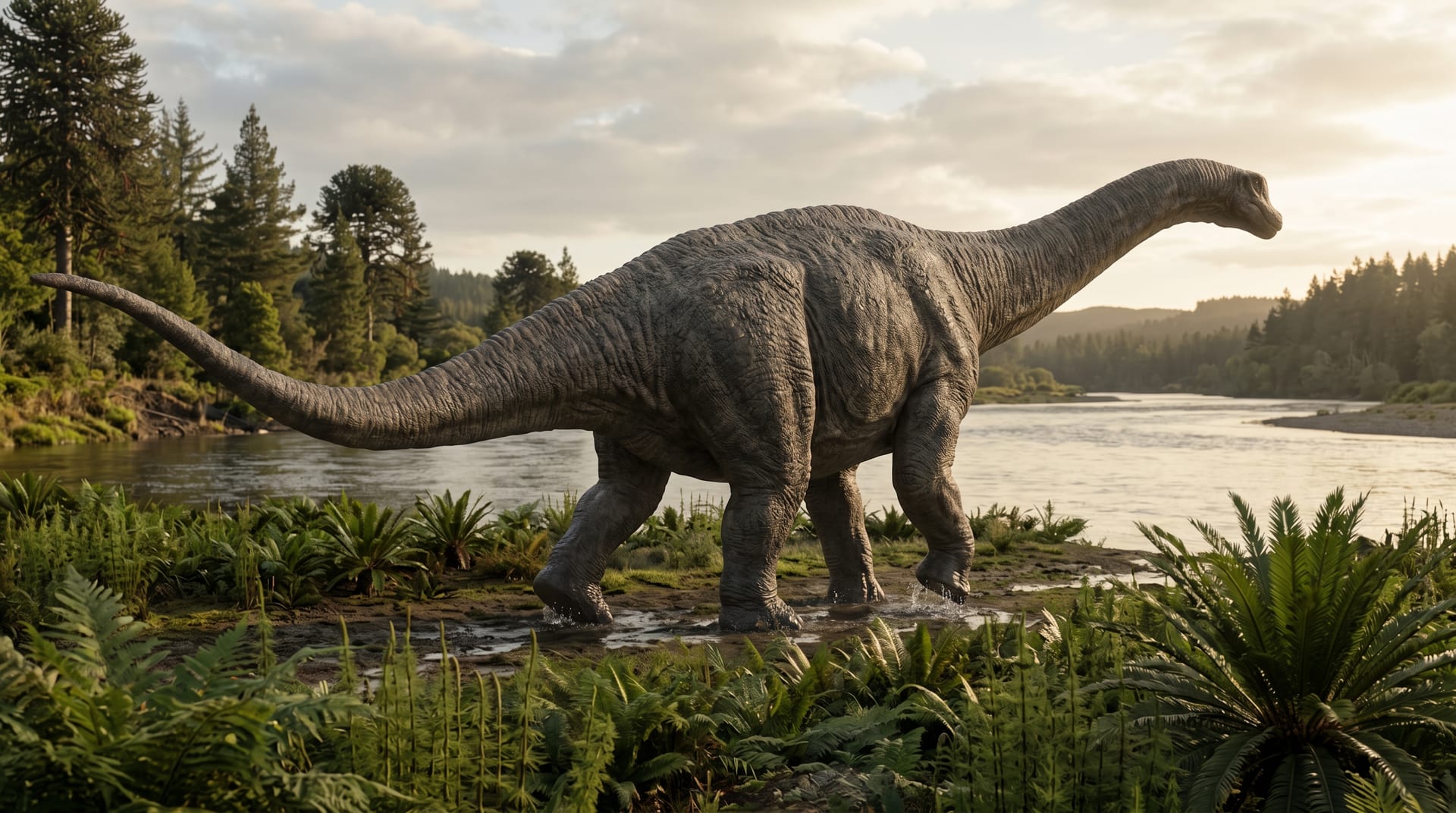
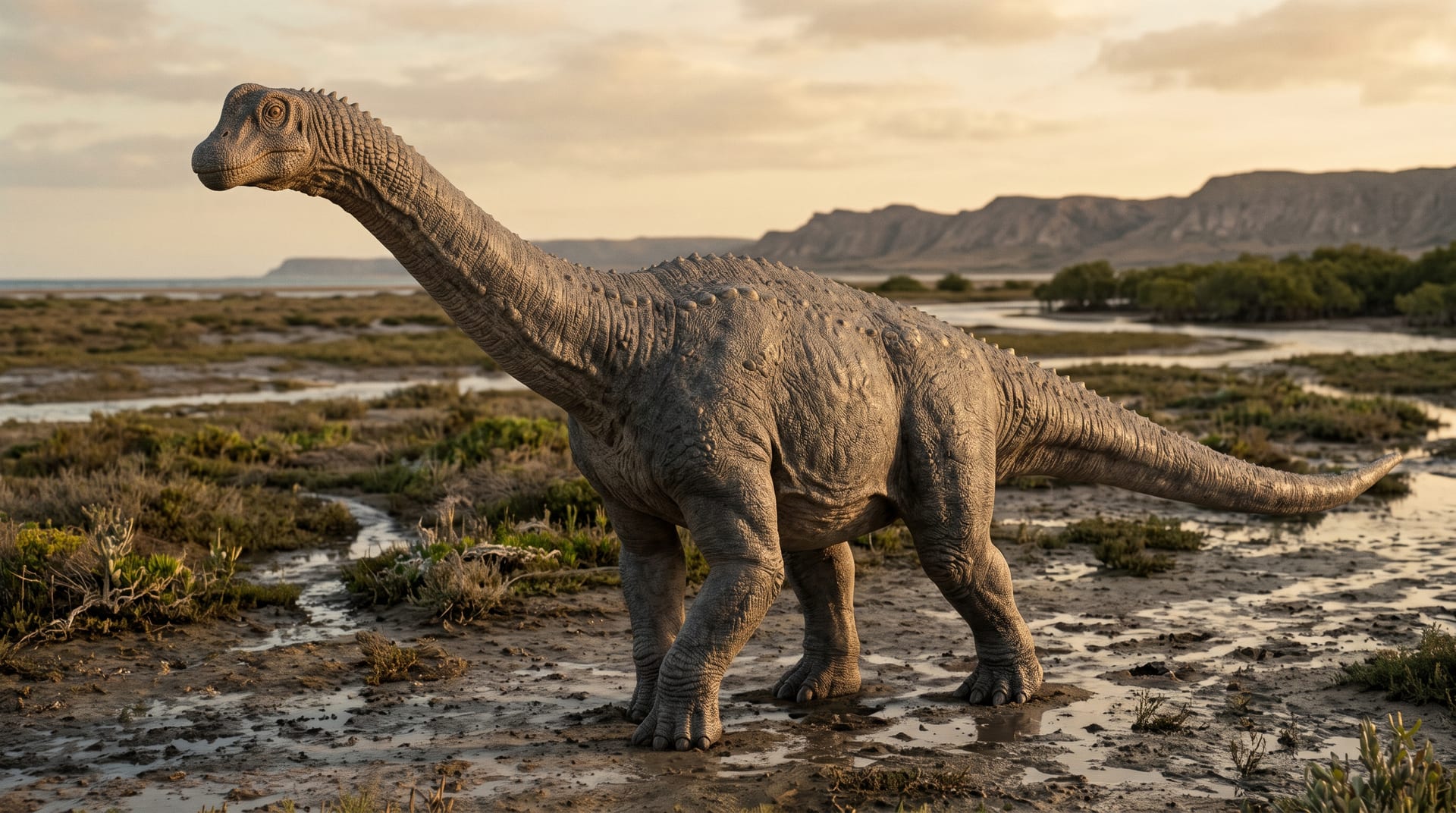
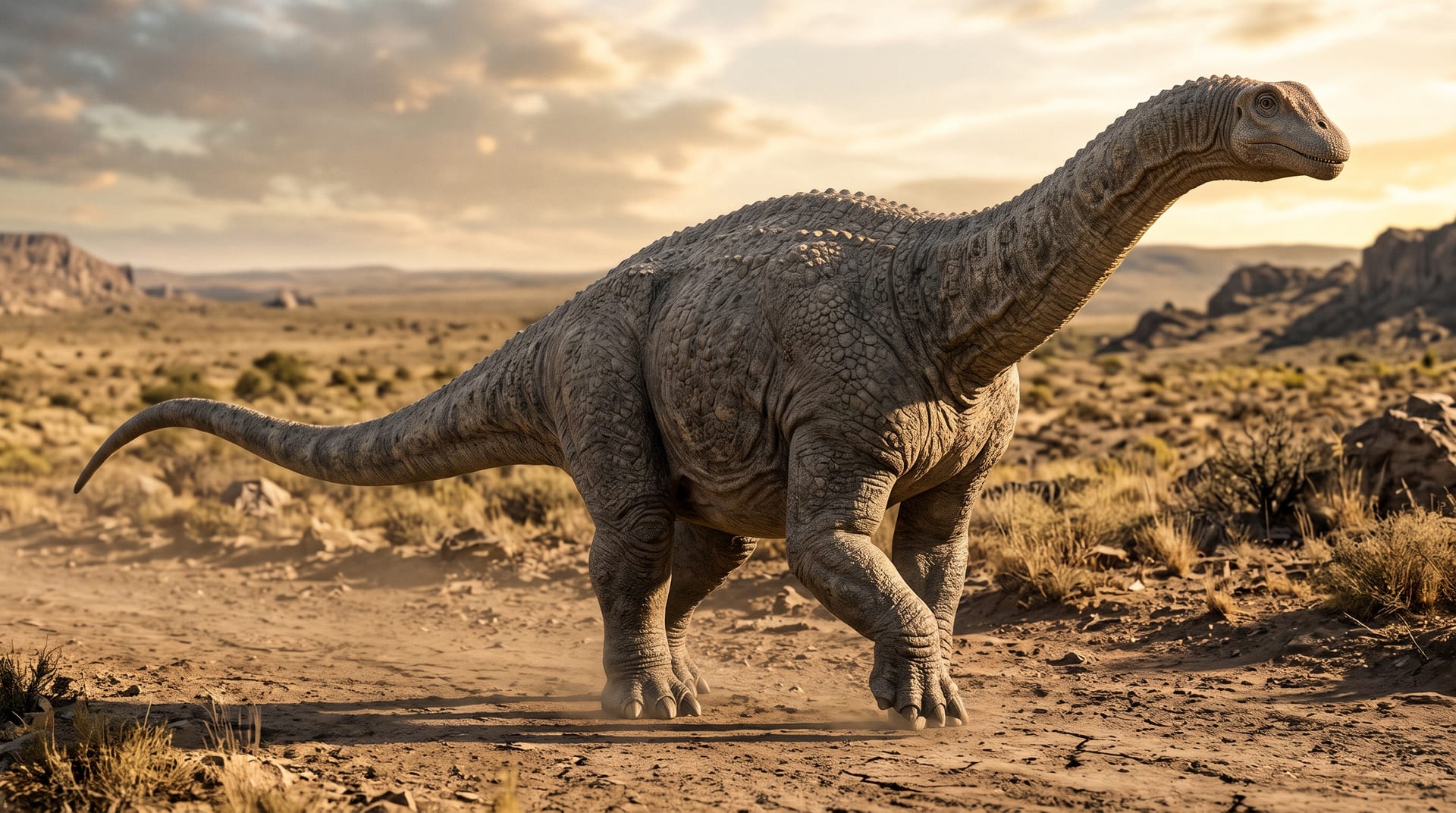
Yeneen was a long-necked, plant-eating titanosaur sauropod that lived in what is now northern Patagonia, Argentina, during the Santonian age of the Late Cretaceous, 85.7 to 83.6 million years ago2. According to Leonardo Filippi, whose team described it in 2026, it measured between 10 and 12 metres long and weighed approximately 8 to 10 tons1. The genus has a single species, Yeneen houssayi, known from at least one partial skeleton3.
How big was Yeneen?
Filippi, a palaeontologist at CONICET and the Museo Municipal Argentino Urquiza, said Yeneen houssayi measured between 10 and 12 m (33–39 feet) in length and weighed approximately 8 to 10 tons. Filippi also noted that it had a small head relative to the rest of its body1.
As described in 2026, the main specimen preserves six neck vertebrae, ten back vertebrae with their ribs, the sacrum and the first tail vertebra, with the sacrum still joined to both ilia3, the upper hip bones. The 2026 report calls it one of the most complete titanosaur skeletons from this region1.
A second, isolated right ilium, found together with the main specimen, came from an individual of a smaller size3. The researchers also identified a juvenile specimen1 among the sauropod remains at the locality.
What did Yeneen eat?
Yeneen belonged to Titanosauria, a group of large, long-necked, plant-eating dinosaurs1 that were widespread across the southern supercontinent Gondwana.
The rich land ecosystem of the Cerro Overo–La Invernada area would have included peirosaurid crocodyliforms, chelid turtles, elasmarian ornithopods and titanosaur sauropods, as well as theropods such as abelisaurids and megaraptorids, which served as apex predators. Among them was the megaraptorid Rinconraptor pipoae, a new taxon from the Santonian of the Neuquén Basin4.
When and where did Yeneen live?
The Paleobiology Database places Yeneen in the Santonian, from 85.7 to 83.6 million years ago2. A news report on its description rounds this to approximately 83 million years ago1.
Its fossils come from the Bajo de la Carpa Formation, at a locality called Cerro Overo–La Invernada in Neuquén Province1. Cerro Overo lies 50 km southwest of Rincón de los Sauces, and the formation belongs to the Neuquén Group of the Neuquén Basin4.
Across the basin, the formation records environments shaped by wind and rivers. In this area it has been interpreted as an anastomosed river system with extensive muddy floodplains4 and sandy channel deposits. The formation is up to 150 metres thick in places and consists mainly of sandstones of river origin, with thin layers of mudstone and siltstone. Fossil wasp nests and small nests with eggs5 that probably belonged to the bird Neuquenornis have also been found in its rocks.
The describers found that the Cerro Overo–La Invernada area has the greatest titanosaur diversity for the Santonian of the Neuquén Basin. At the same site they found another adult titanosaur that appears to be a different species1, not yet described. Other titanosaurs from the formation include Bonitasaura, Inawentu, Overosaurus, Rinconsaurus and Traukutitan3.
How was Yeneen discovered?
The bones were found at the La Invernada site, and three specimens are housed in the Museo Municipal Argentino Urquiza. The holotype, the specimen that defines the species, is MAU-Pv-LI-538. A third specimen, MAU-Pv-LI-731, was in 2026 still undergoing preparation3 and was not assigned to Yeneen or any other taxon.
Yeneen houssayi was named by Filippi et al. in 20262. The paper appeared on January 12, 2026 in the journal Historical Biology1.
The genus name carries its own meaning: Yeneen is an entity in Tehuelche (Aonikenk) culture tied to cold and winter weather. The name points to the type locality, La Invernada, a Spanish word for the place where cattle spend the winter. The species name houssayi honours Bernardo Alberto Houssay3, a Nobel laureate in Physiology or Medicine who was involved in promoting the creation of CONICET, Argentina’s National Scientific and Technical Research Council.
What kind of animal was Yeneen?
Yeneen was a sauropod dinosaur in the group Titanosauria. Its describers found it closely related to Narambuenatitan and Overosaurus, as an early member of an unnamed clade of derived non-lithostrotian saltasauroids1. They called this group “Clade A”3 within Saltasauroidea.
The study also says that in the Santonian at least two titanosaur lineages coexisted there: Colossosauria and Saltasauroidea1.
Similar dinosaurs
- Overosaurus: a close relative from the same Cerro Overo area, named in 20137. Its only specimen preserves a fully articulated vertebral series from the 10th neck vertebra to the 20th tail vertebra. It lived approximately 86 to 84 million years ago and was estimated at approximately 10 m6, relatively small next to other Patagonian sauropods.
- Narambuenatitan: the other close relative, from the Campanian, 83.6 to 72.2 million years ago8, and found in the Anacleto Formation9 instead of the Bajo de la Carpa Formation.
- Inawentu: a titanosaur from the same formation, known from a skeleton including the skull, whose square-shaped jaw shows convergent features with the rebbachisaurids; its neck had only twelve vertebrae10, fewer than in any other known titanosaur.