Contents
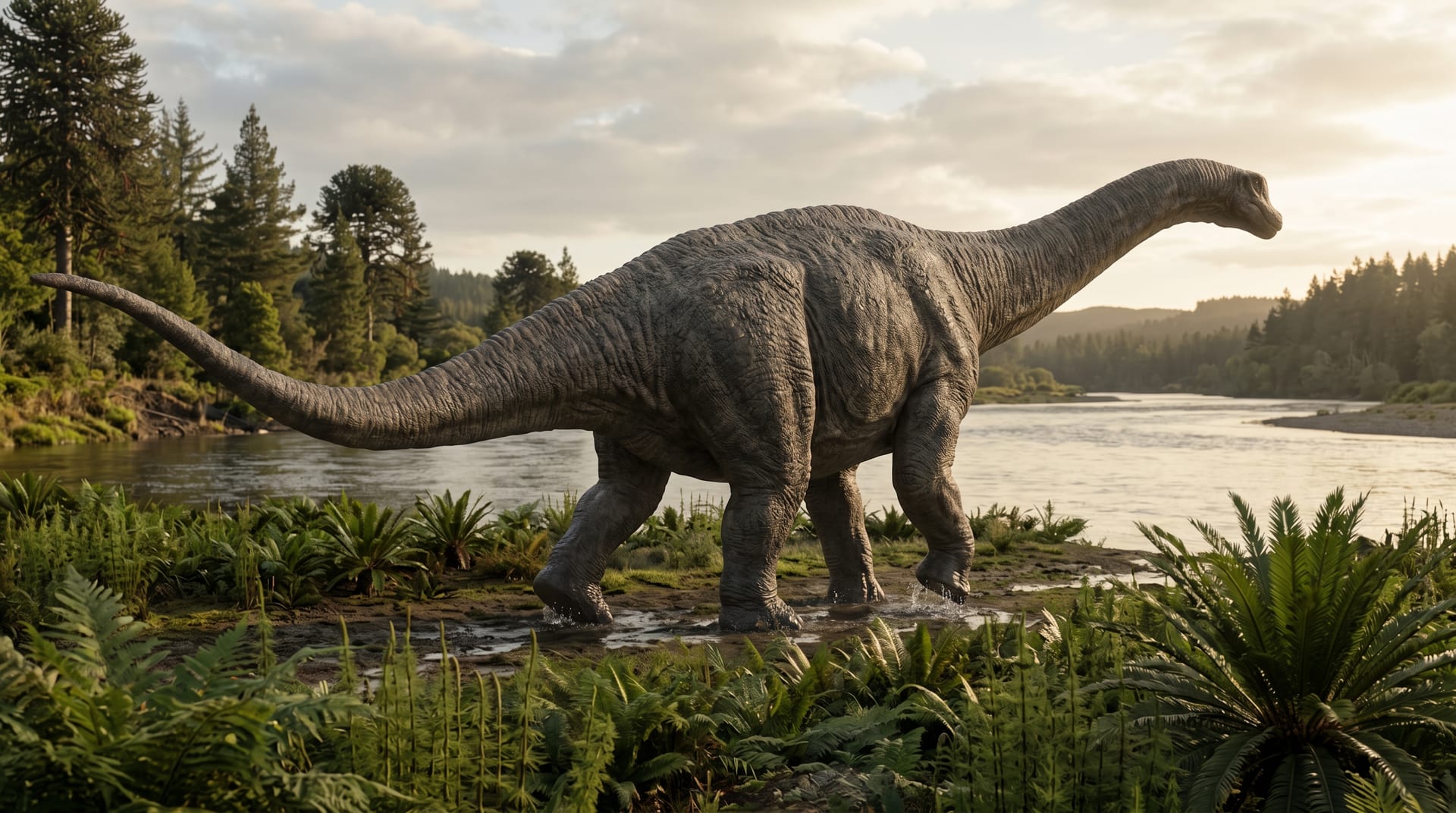
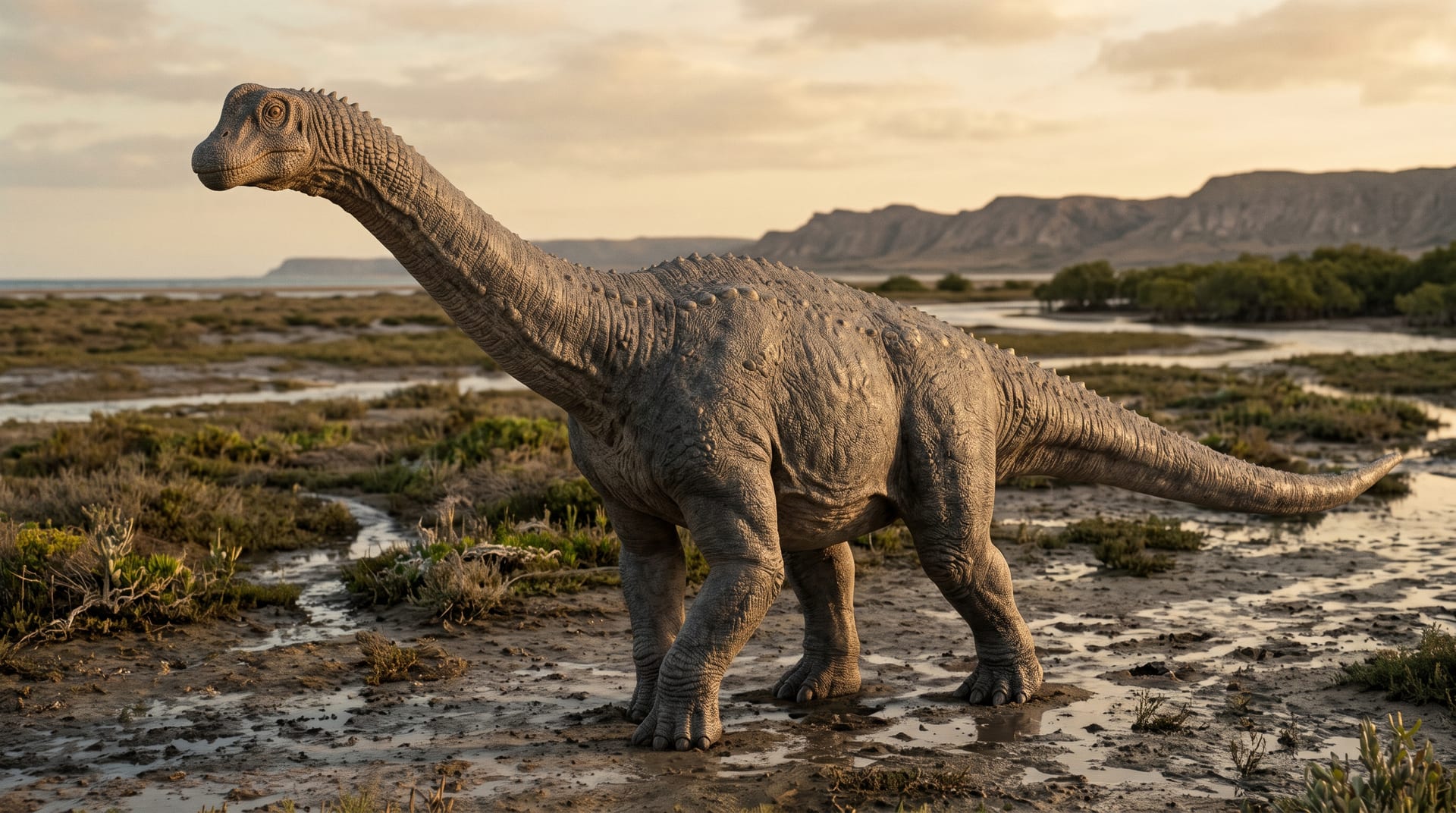
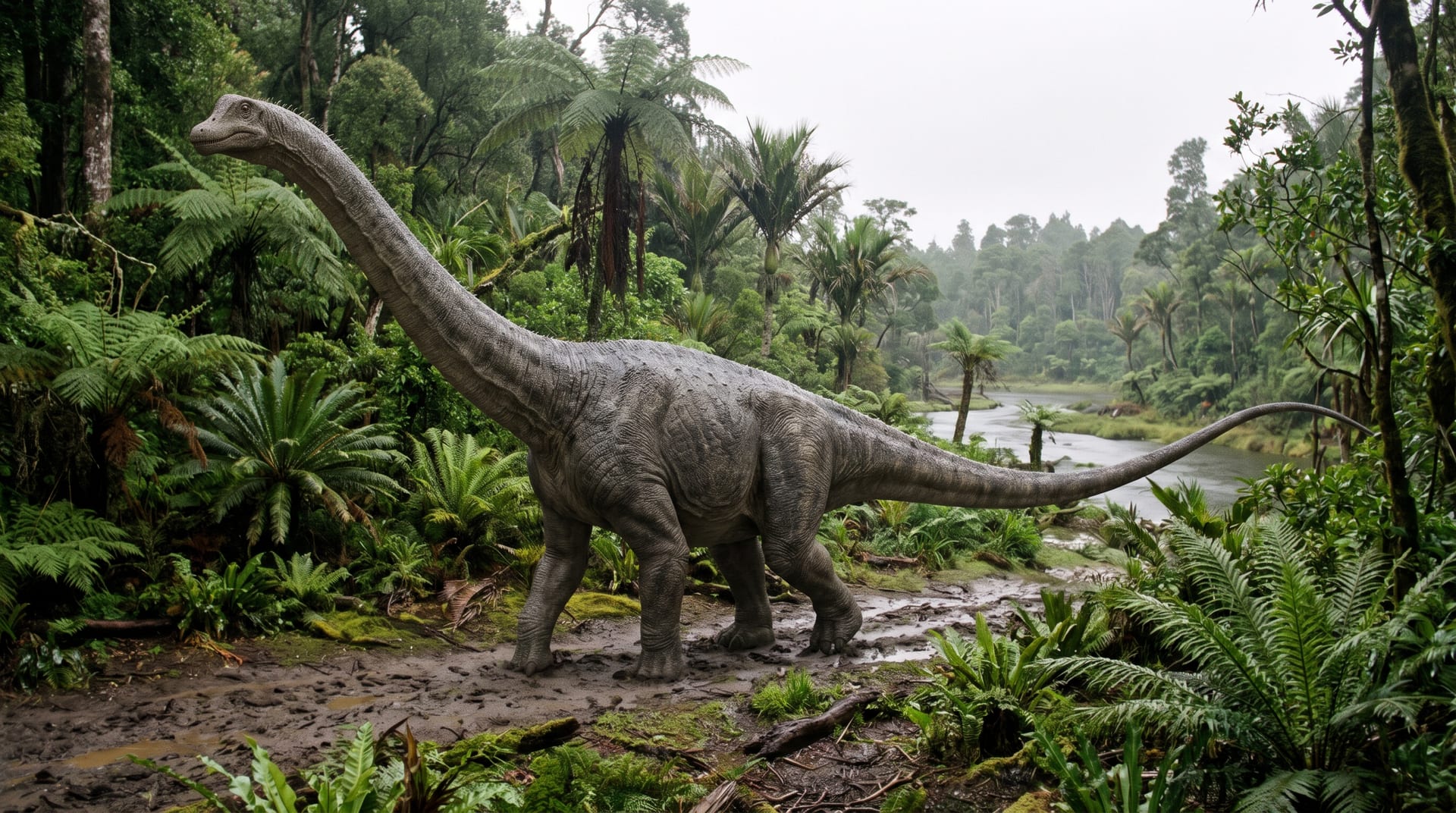
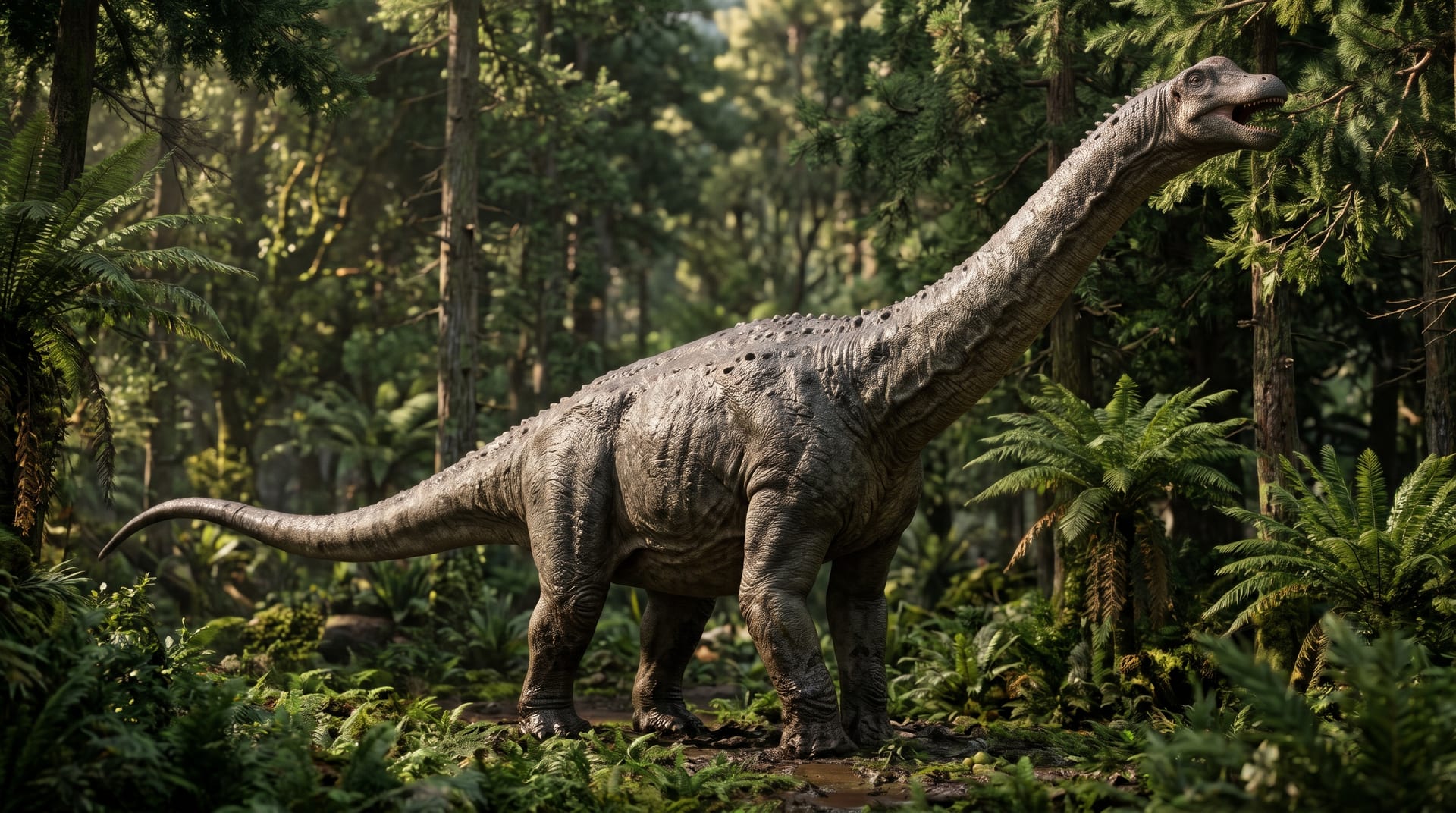
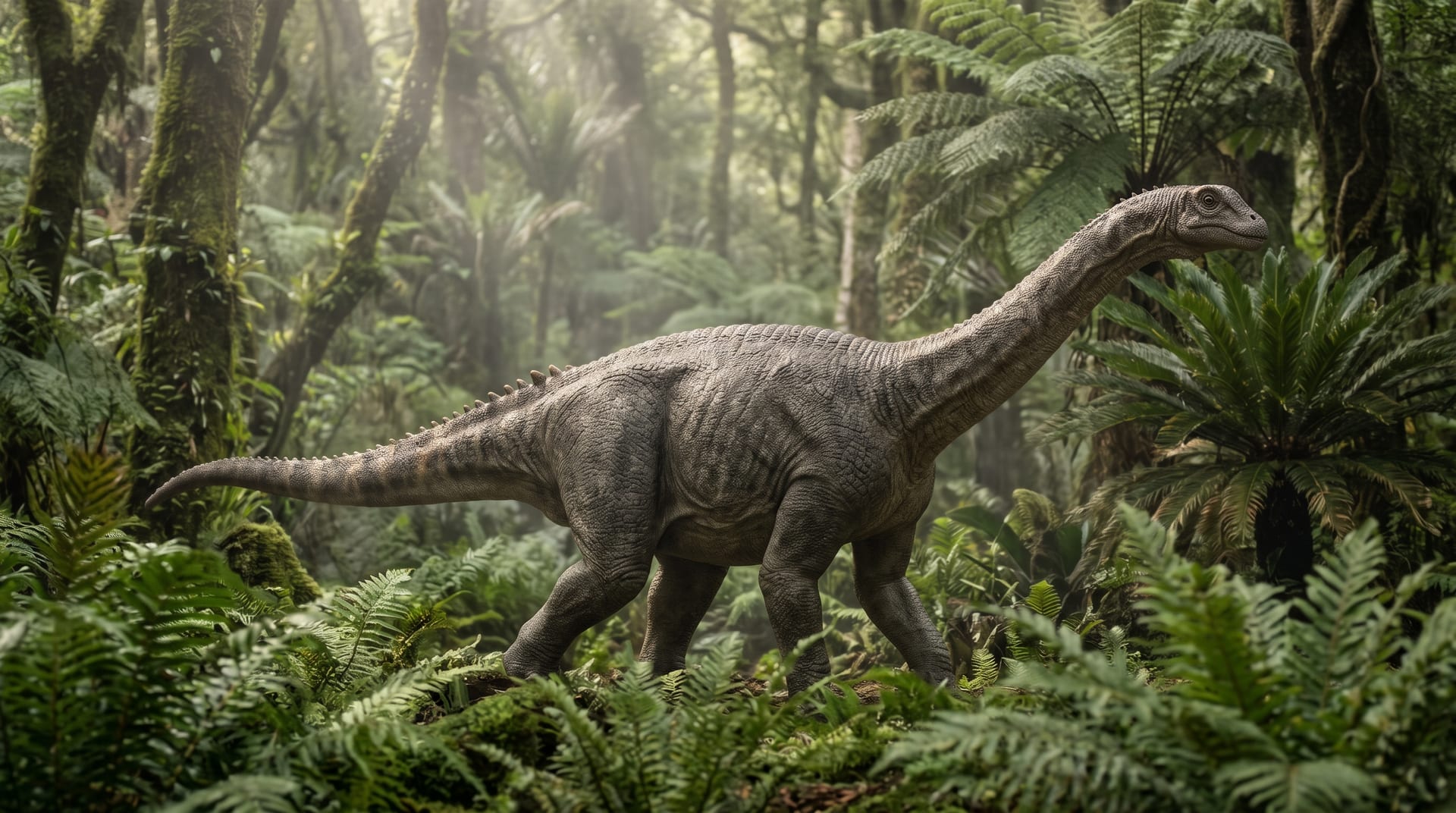
Ceratocaudia was a small sauropod dinosaur whose partial skeleton was found in the Kaladongar Formation of the Kachchh Basin in western India. It appears to have measured only about 7 m (23 feet) long, and the rocks that held it date from somewhere between the Pliensbachian stage of the Early Jurassic and the Bajocian1 stage of the Middle Jurassic. The only species, Ceratocaudia antiqua, was named in 20262.
How big was Ceratocaudia?
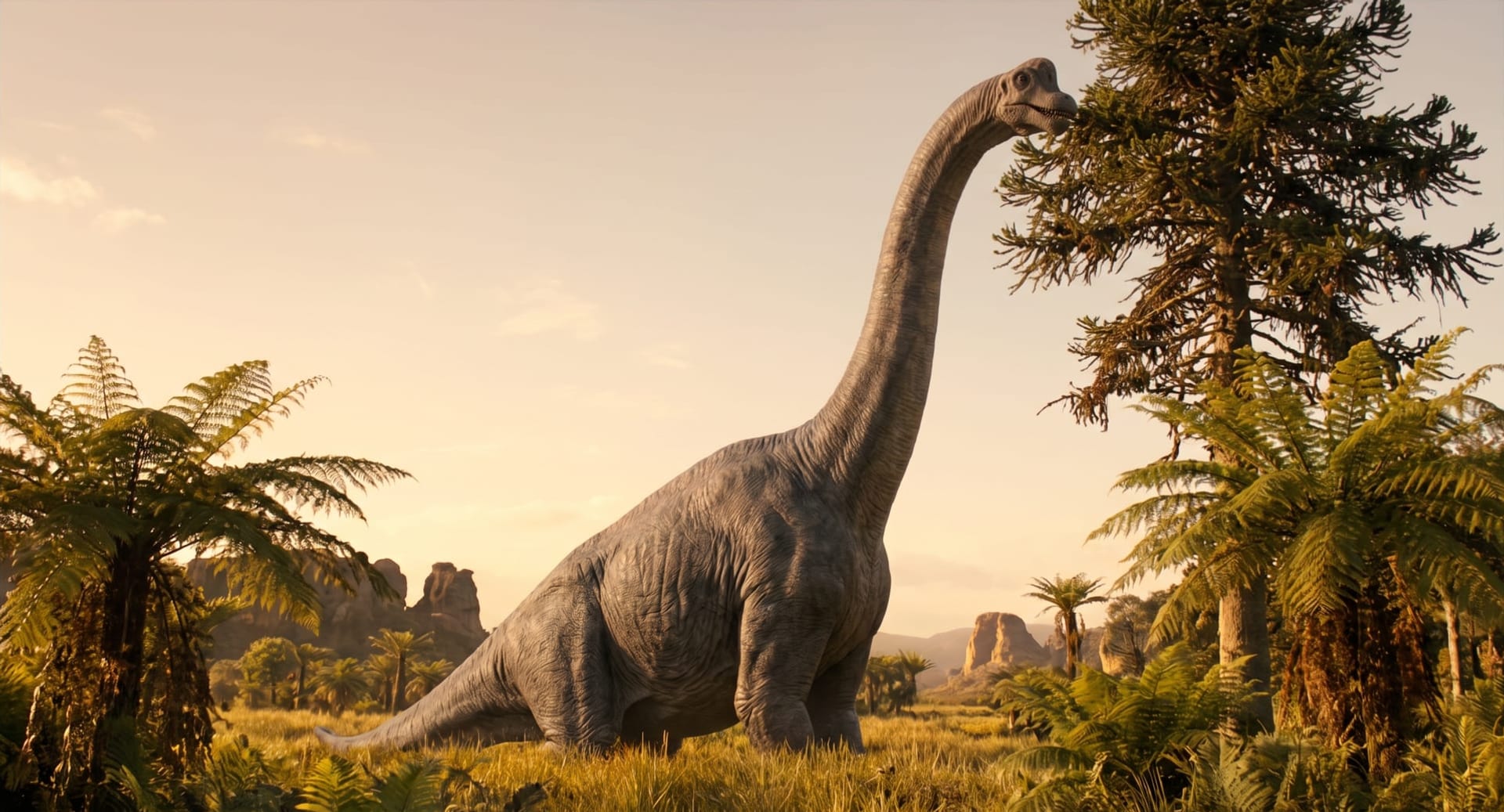
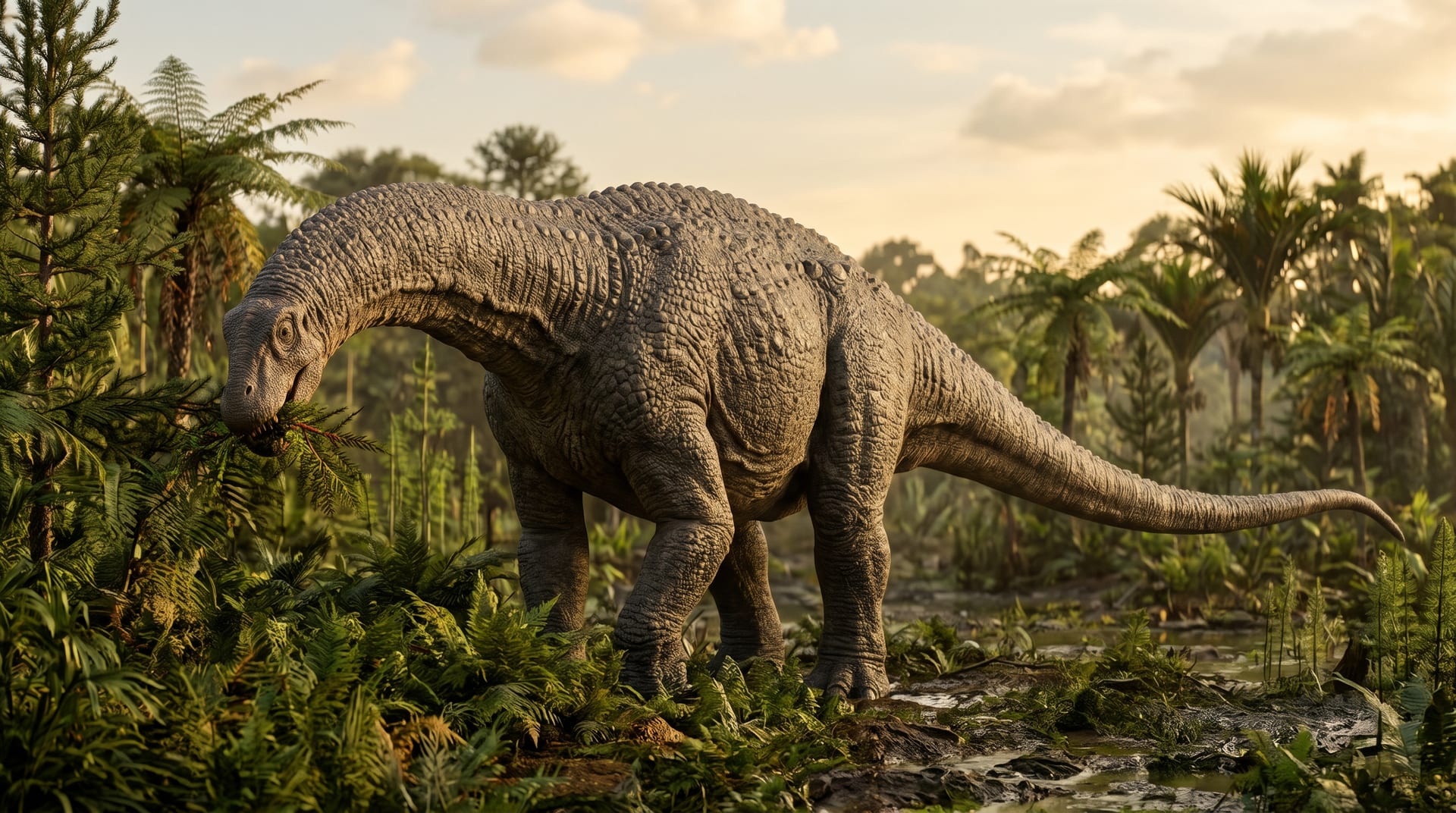
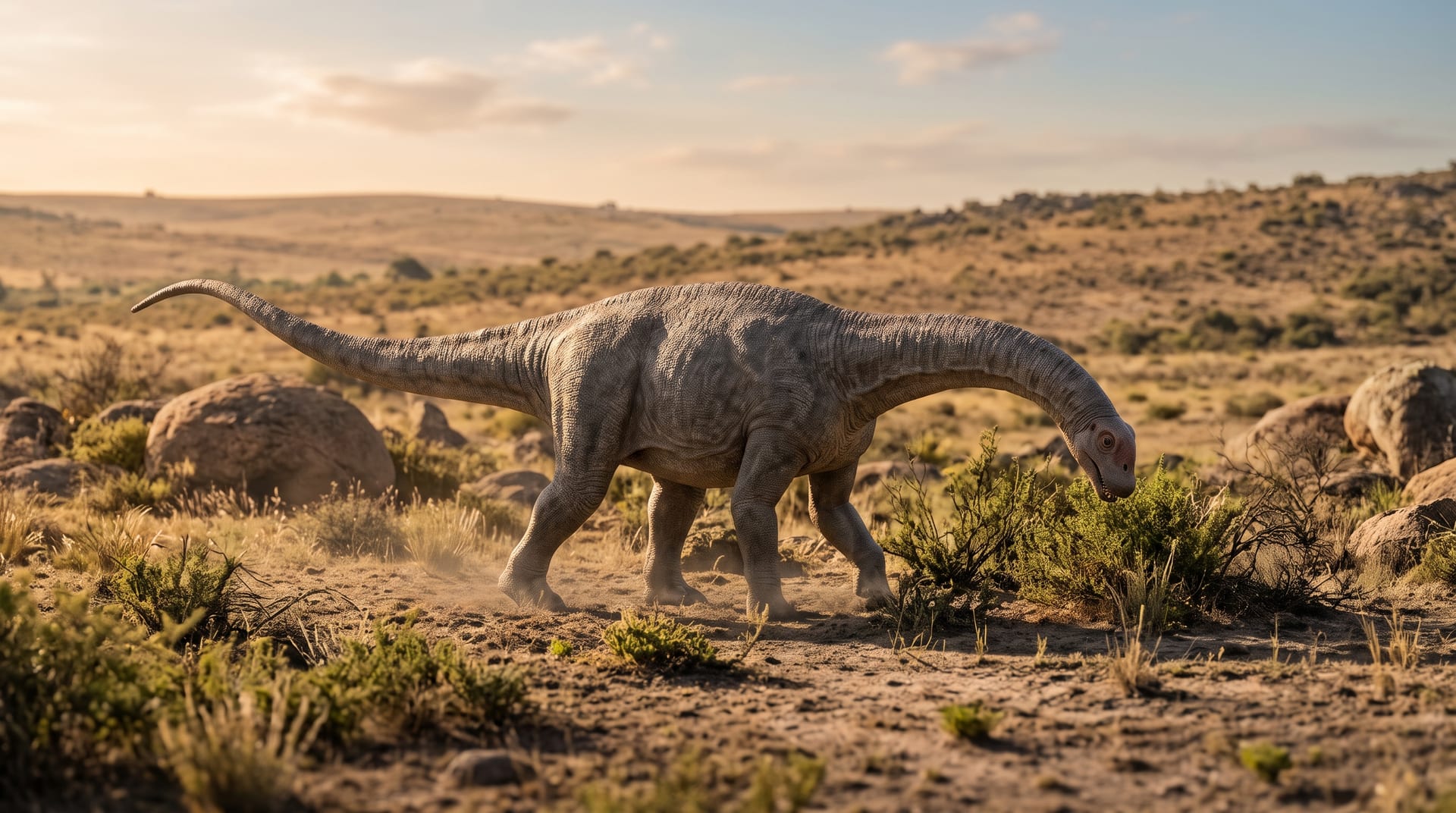
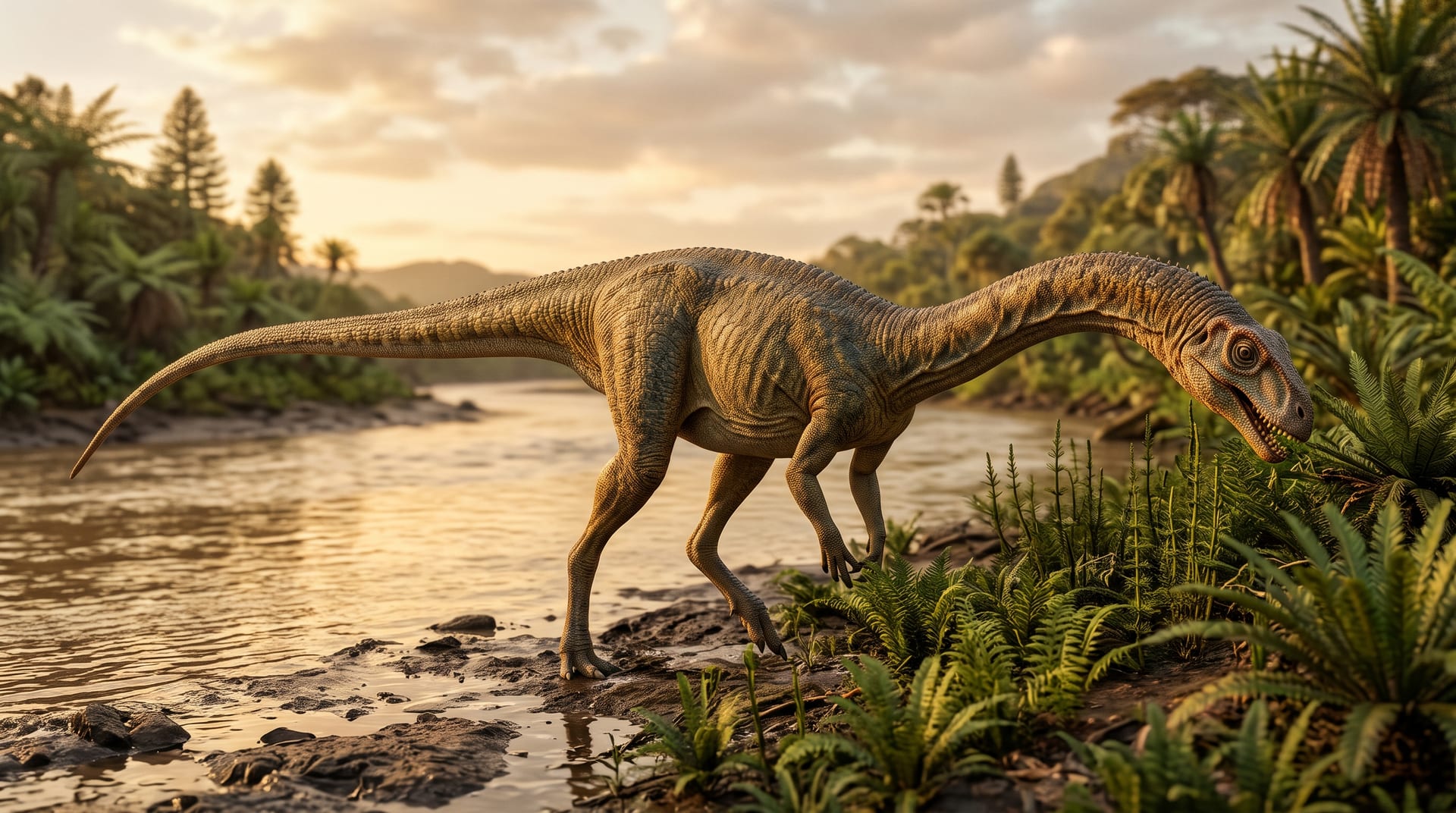
Ceratocaudia was a neosauropod, the group that eventually produced colossal dinosaurs such as Diplodocus, Brachiosaurus and Argentinosaurus. Unlike those titans, it appears to have measured only about 7 m (23 feet) long1. That length makes it one of the smallest known macronarians, and there is a possibility that it represents a dwarf taxon. Based on histological analysis and a non-traumatic pathology3, the holotype appears to have been an old individual.
Its describers called it a diminutive Jurassic neosauropod1 in the title of their paper.
Using digital reconstruction techniques, the researchers modeled the tail musculature based on comparisons with modern crocodilians and lizards. Their model suggests the animal held its tail horizontally and could swing it forcefully from side to side, a movement they speculate may have served as a modest defense against predators. In the authors’ words, the tail may have been useful as a mild deterrent to predators1 even without specialized adaptations like the whip-tail of flagellicaudatans.
What did Ceratocaudia eat?
Sauropods as a group were herbivorous (plant-eating)4, usually long-necked, four-legged animals, often with spatula-shaped teeth. The holotype of Ceratocaudia consists of a cervical and several caudal vertebrae3, a chevron, an interclavicle and limb bones, with no skull or teeth.
The Khadir Uplift has also yielded a large contemporary sauropod3, whose presence suggests niche partitioning between it and Ceratocaudia, though it is unknown what ecological role either had, as neither has cranial material.
When and where did Ceratocaudia live?
The fossils come from the Kaladongar Formation of the Kachchh Basin in western India, collected in the Khadir Uplift in Kutch district of Gujarat3. The age of the rock layers containing them is hard to pin down precisely, spanning a range from the Pliensbachian stage of the Early Jurassic to the Bajocian stage of the Middle Jurassic, which means Ceratocaudia antiqua could be as much as 190 million years old1. The Paleobiology Database records the genus across a wider window, from the Hettangian to the Bajocian, or 201.4 to 168.22 million years ago.
The skeleton lay in low-energy estuarine sediments. Those sediments also hold abundant petrified wood and bivalves, such as Protocardia and Indocorbula, that lived in brackish waters. Another horizon of the Khadir Uplift of the same age has yielded a large, fragmentary sauropod estimated to be 20 metres long3, as well as the hybodont shark Strophodus magnus.
How was Ceratocaudia discovered?
The excavation site produced a total of 181 fragments, including vertebrae, ribs, forelimb bones and hind-limb elements, all believed to belong to one individual. The fossils are housed at the Vertebrate Palaeontology Lab1 of the Department of Earth Sciences at the Indian Institute of Technology Bombay in Mumbai.
Dr. Abhishek Natarajan of the Indian Institute of Technology Bombay and colleagues described the new genus and species in the Journal of Vertebrate Paleontology, in a paper published online on July 16, 20261. The Paleobiology Database lists the authority as Natarajan et al. 20262.
The generic name comes from the Ancient Greek κέρας, meaning horn, and the Latin cauda, meaning tail, after the horn-like crest on the anterior caudal neural spine. The specific name antiqua is a Latin word meaning ancient3.
What kind of animal was Ceratocaudia?
Ceratocaudia was a true dinosaur: a sauropod in the clade Neosauropoda. The team’s phylogenetic analysis places it as an early-branching macronarian1, making it one of the oldest diagnosable members of Neosauropoda found anywhere in the world. The two analyses run by its describers both placed it within the Macronaria, outside the Titanosauriformes3.
Neosauropods are, in the describers’ words, one of the most successful groups of saurischian dinosaurs, reaching high diversity from the Late Jurassic onwards until the end of the Cretaceous. Their early history has been controversial, the team said, partly because of poor constraints on the ages1 of Lower and Middle Jurassic deposits and partial, fragmentary preservation.
Alongside two Chinese species, Dashanpusaurus dongi and Yuzhoulong qurenensis, Ceratocaudia suggests that neosauropods had already achieved a global distribution before the Bajocian stage of the Jurassic. The researchers concluded that the Kachchh sauropod represents one of the earliest neosauropods1 and adds to the sparse global record of Early and Middle Jurassic neosauropods.
Similar dinosaurs
- Dashanpusaurus: one of the two Chinese species1 that, with Ceratocaudia, point to an early global spread of neosauropods; it comes from China, Ceratocaudia from India.
- Yuzhoulong: the other early neosauropod from China named alongside Ceratocaudia1 as evidence for that spread.
- Brachiosaurus: also a neosauropod, but one of the colossal dinosaurs1 the group later produced, where Ceratocaudia appears to have measured only about 7 m.