Contents
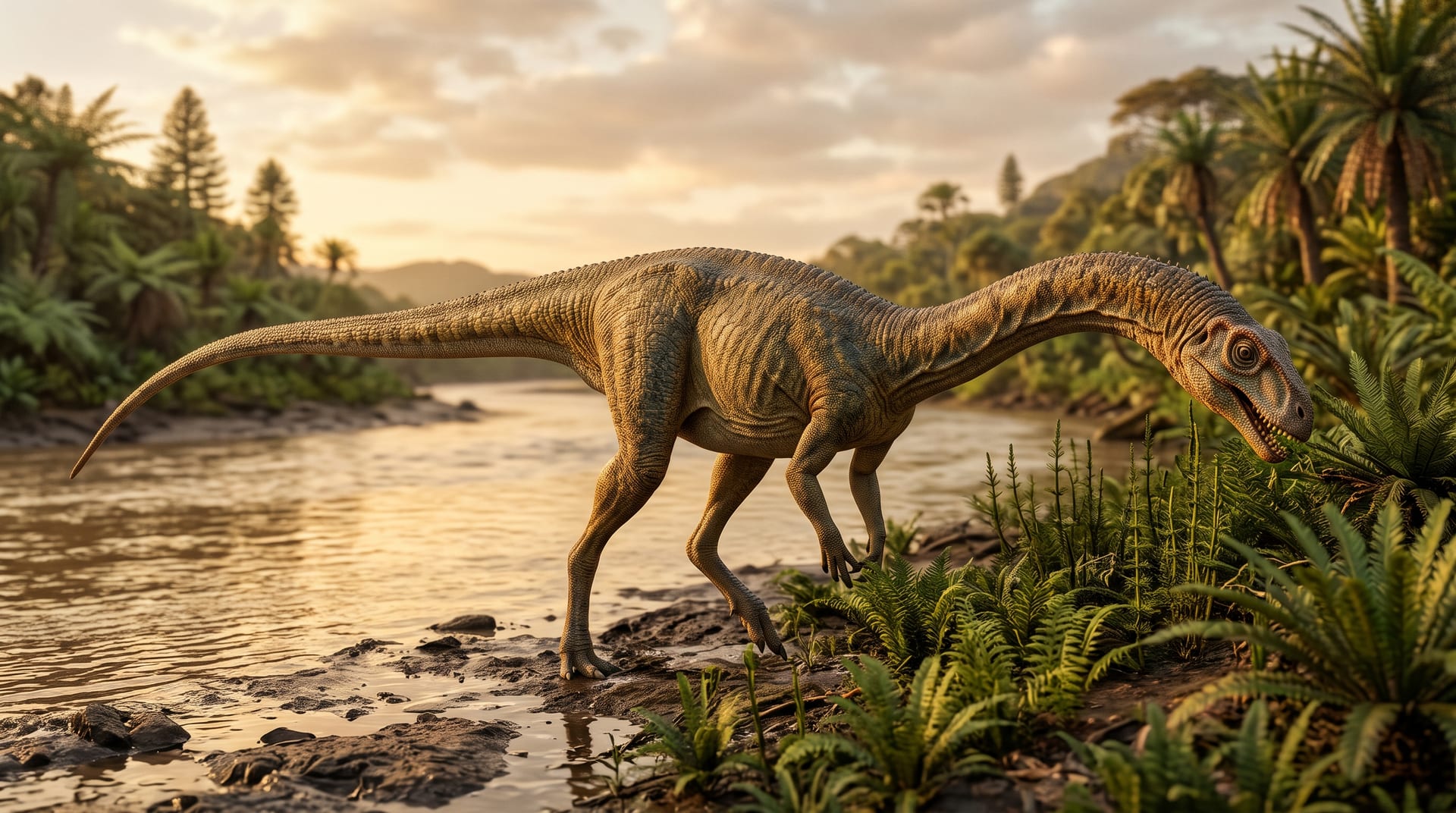
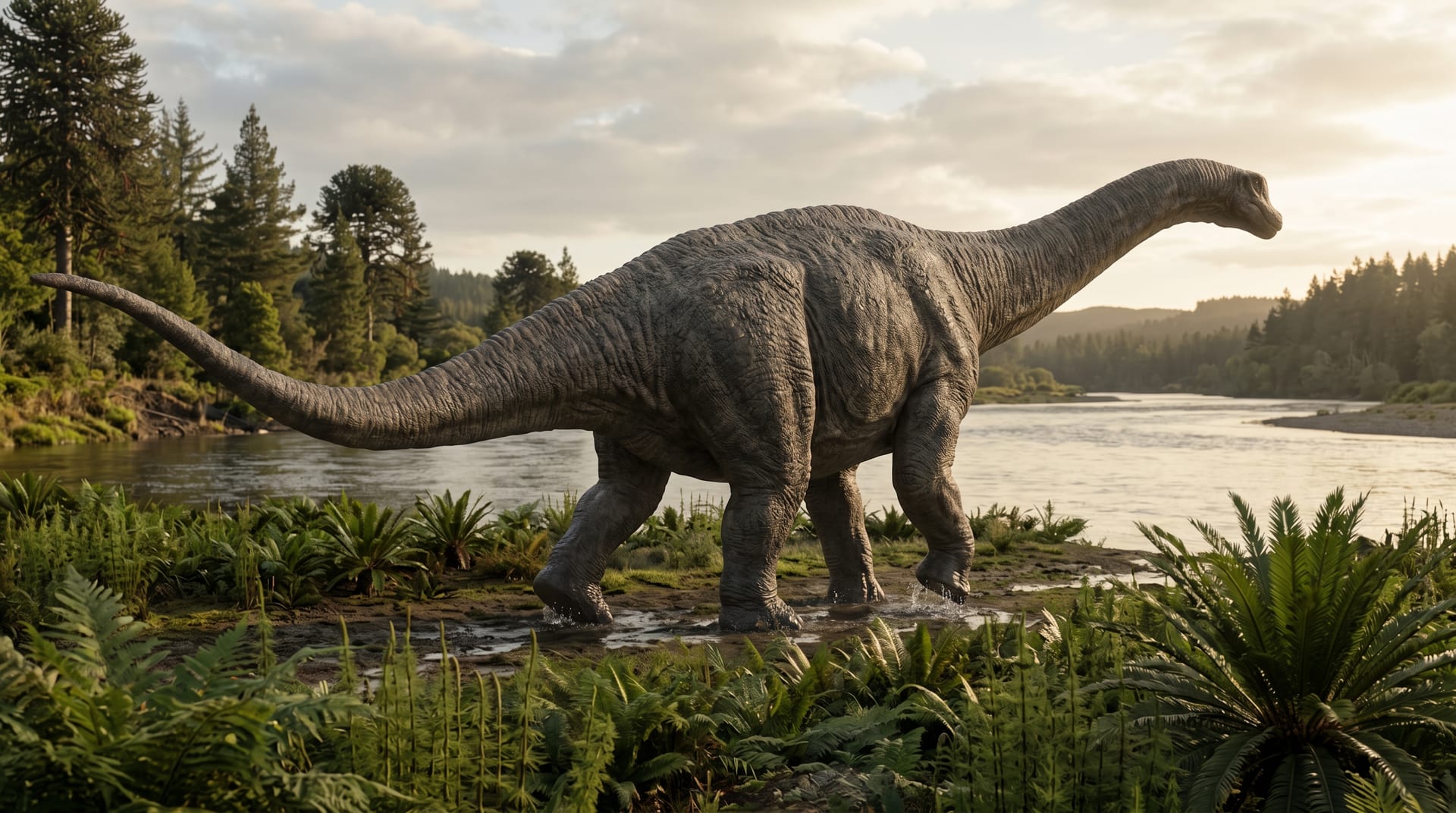
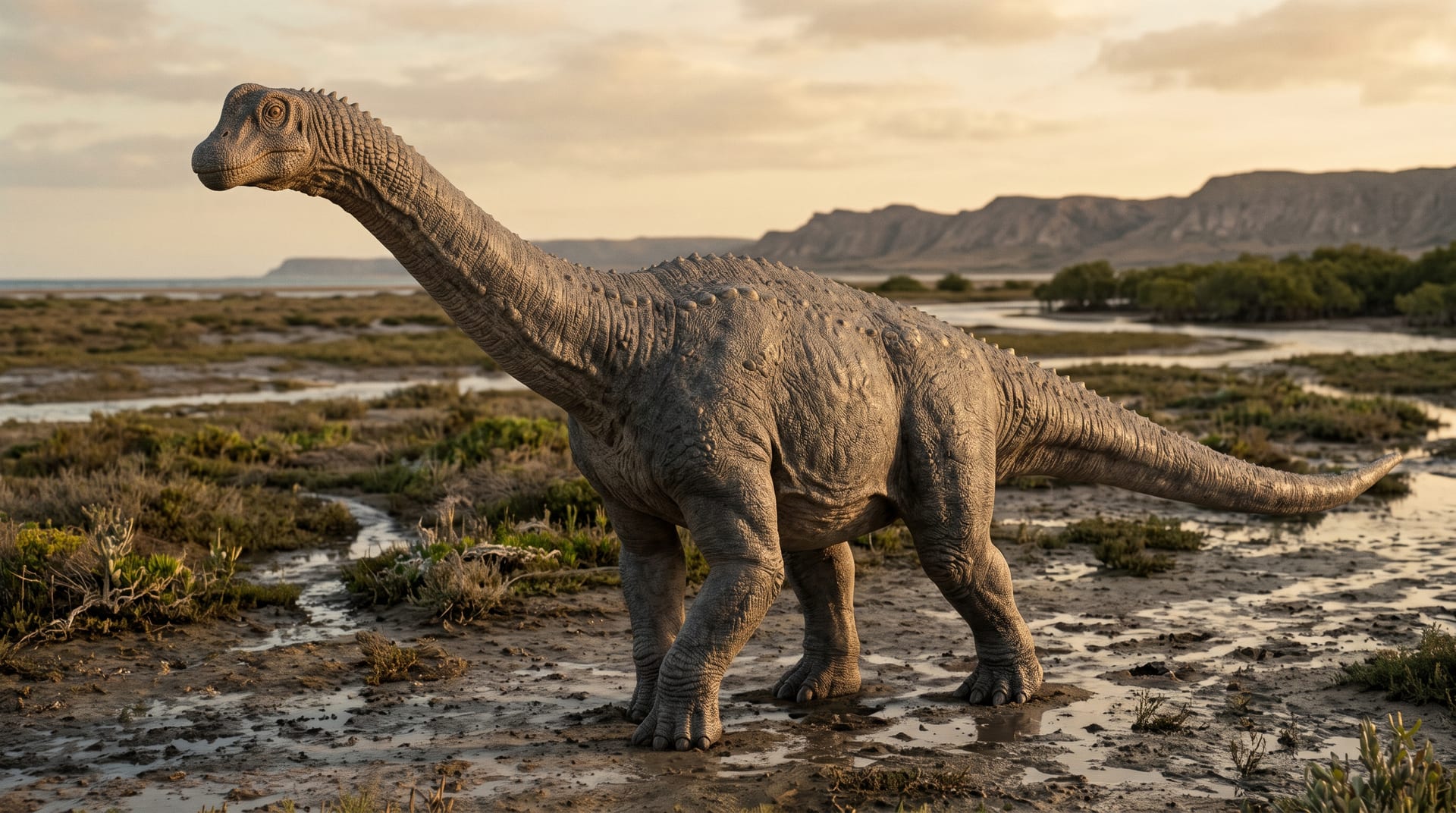
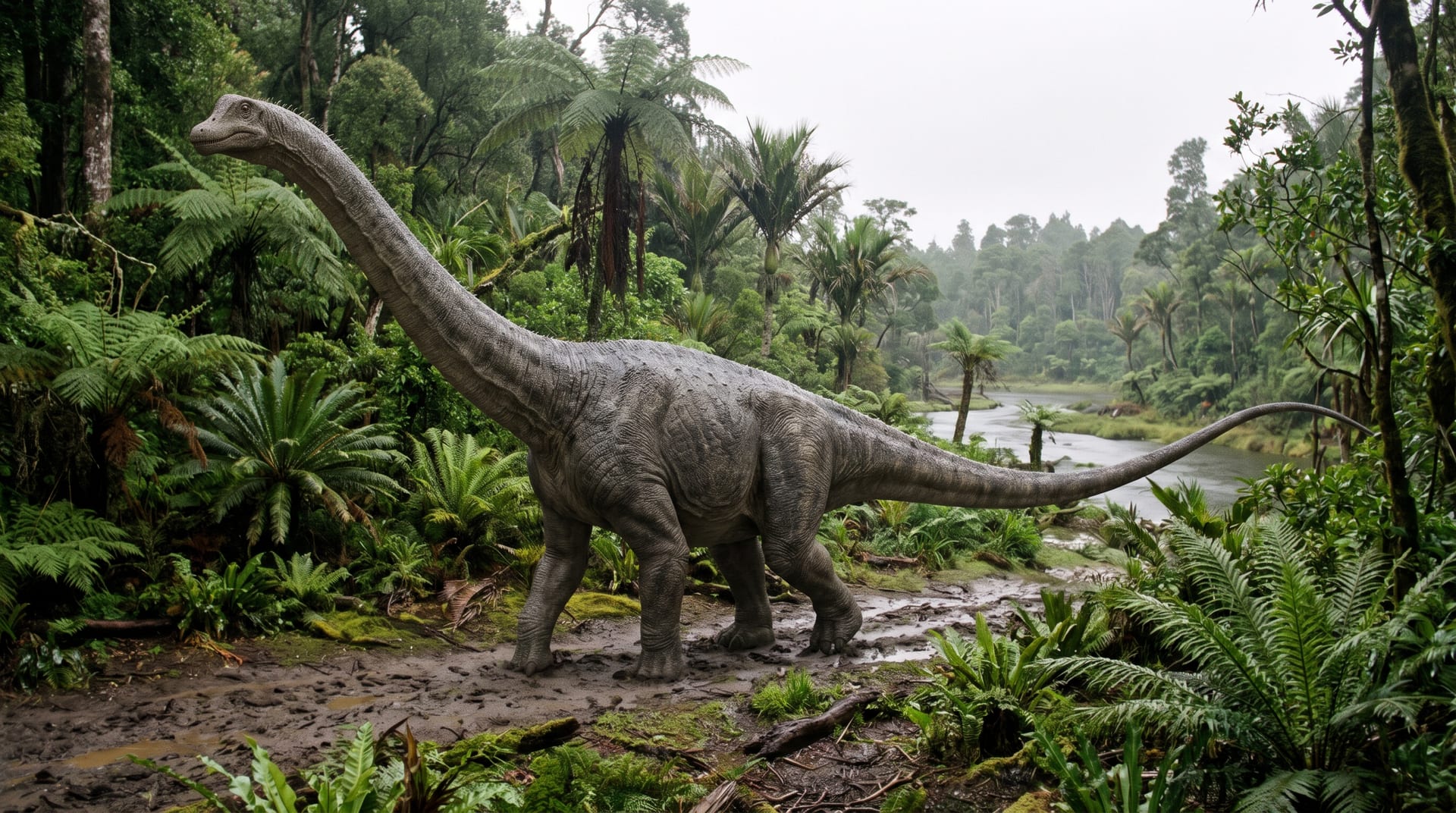
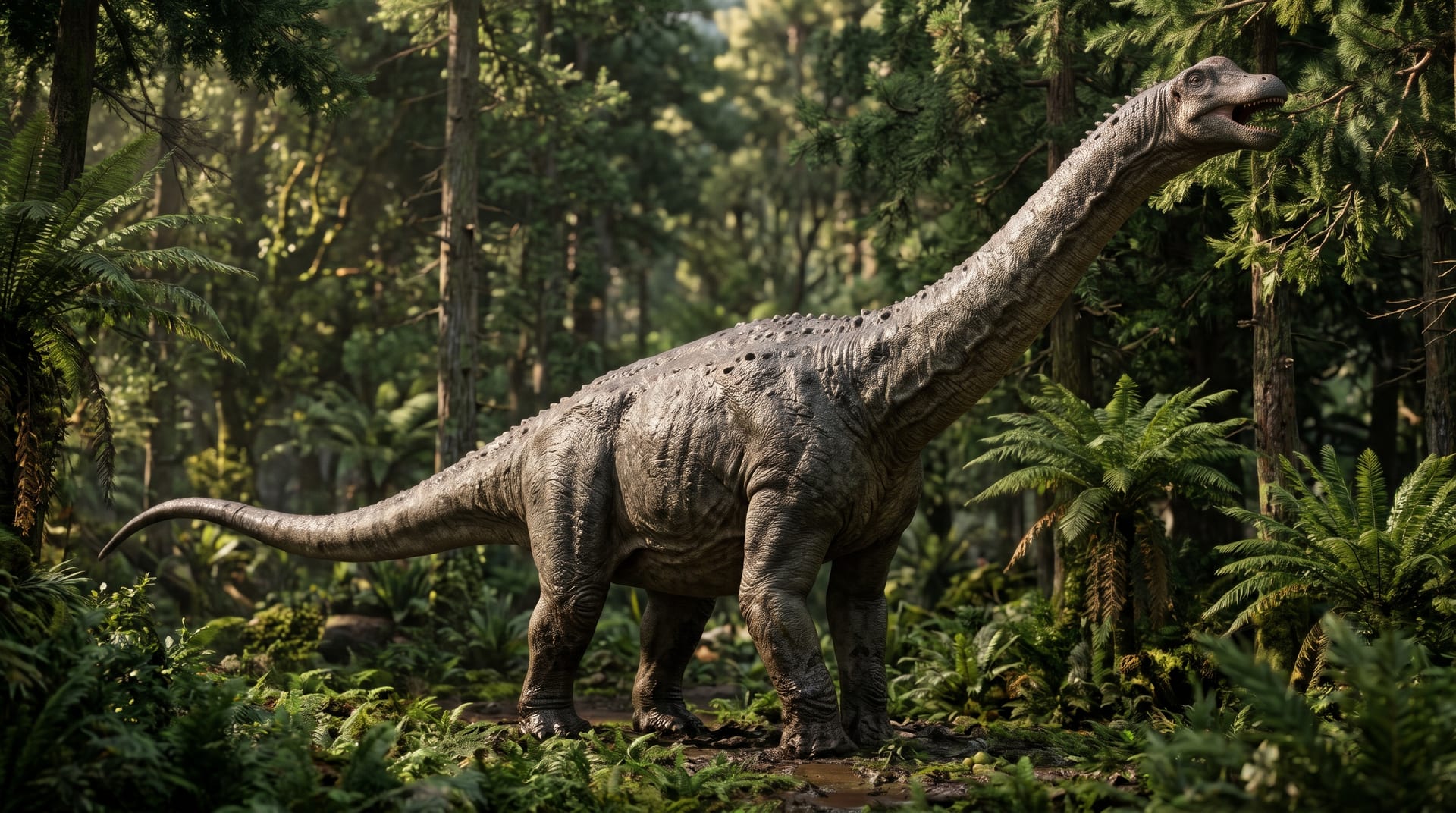
Yantaloong was a sauropod dinosaur that lived in what is now Yunnan Province, China during the Middle Jurassic, between 174 and 161 million years ago1. It is known only from six presacral vertebrae, and it probably represents the first turiasaurian sauropod2 found in China and even in East Asia.
How big was Yantaloong?
The researchers identified Yantaloong lini from six presacral vertebrae found in the Zhanghe Formation. It likely belonged to Turiasauria, a clade of large, long-necked sauropods1.
What did Yantaloong eat?
Yantaloong is classified as a plant-eating sauropod3.
When and where did Yantaloong live?
Yantaloong lived during the Middle Jurassic epoch, between 174 and 161 million years ago1. Its bones came from the Middle Jurassic Zhanghe Formation of Yunnan Province, China. The Middle Jurassic of China hosts a diverse dinosaur fauna dominated by mamenchisaurid sauropods2, along with some early diverging eusauropod and neosauropod members.
How was Yantaloong discovered?
Yantaloong lini was named by Xiao-Qin Zhang and colleagues in 20264. The discovery was reported in a paper in the Zoological Journal of the Linnean Society, titled The first turiasaurian sauropod (Dinosauria: Eusauropoda) from East Asia1.
What kind of animal was Yantaloong?
Most of the team’s analyses place it within a non-traditional Turiasauria clade, including Lapparentosaurus, Jobaria and Atlasaurus. Some analyses instead suggest it could be a non-neosauropod eusauropod outside the traditional Turiasauria2 or a member of Neosauropoda, although these conditions are less favoured. Before this find, turiasaurians had been found from the Lower Jurassic to Lower Cretaceous1 of Europe, North America, Africa and India.
Its vertebrae show a unique mixture of derived and plesiomorphic traits2: characters typically seen in derived dicraeosaurines and even in titanosaurs, along with traits characteristic of basal eusauropods. The researchers say this further supports its position as a form transitional towards Neosauropoda. It may fill a gap, as no transitional species had been confirmed in East Asia1 along the evolutionary path from mamenchisaurids to neosauropods.
Similar dinosaurs
- Jobaria: a sauropod in the same non-traditional Turiasauria clade2 in most analyses, but from Niger, in the Early Cretaceous, 132–94 million years ago, and known from a skull and several skeletons5.
- Mamenchisaurus: a sauropod also from China, but from the Late Jurassic, 155–145 million years ago, and 22 m long6.