Contents
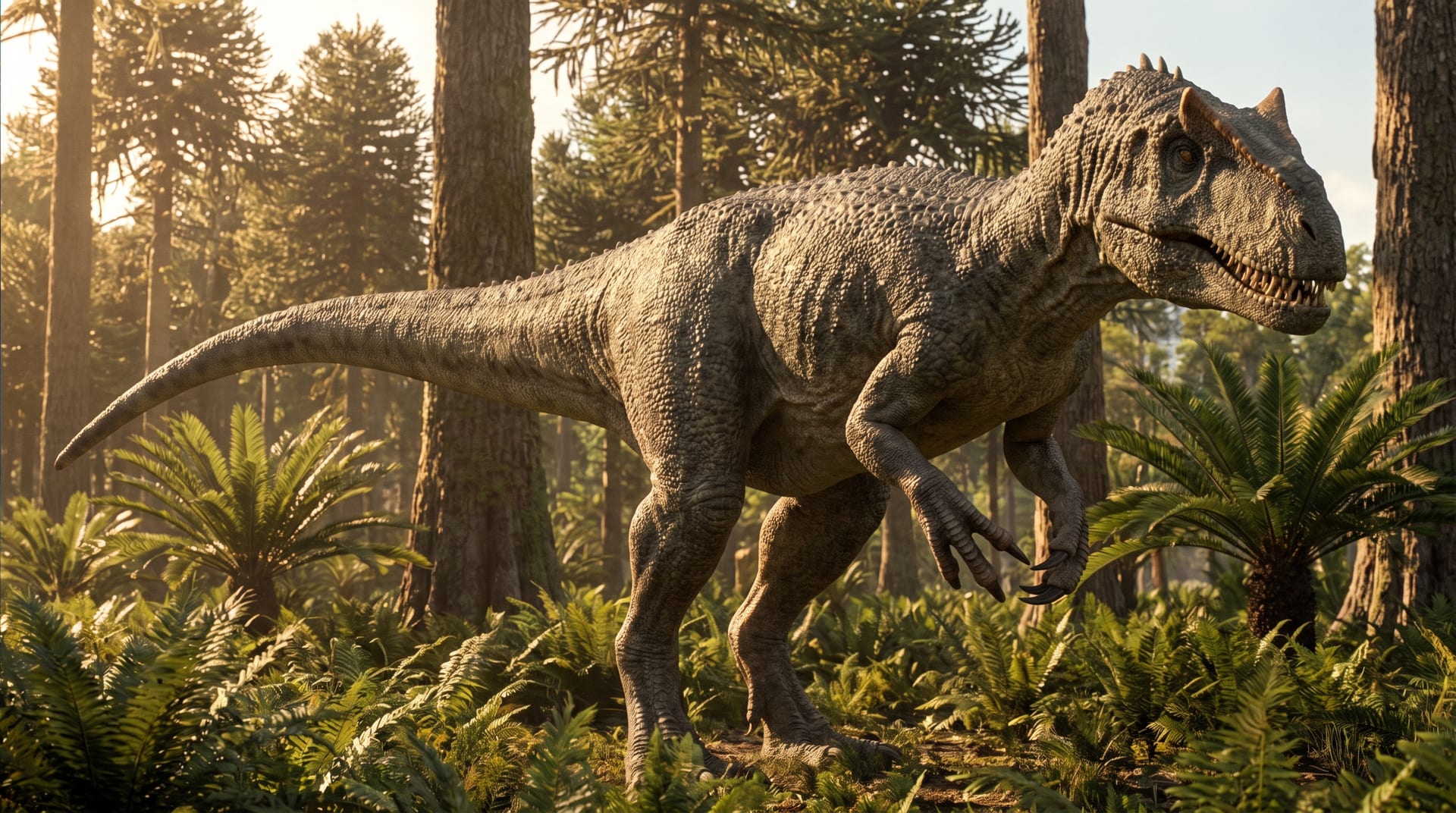
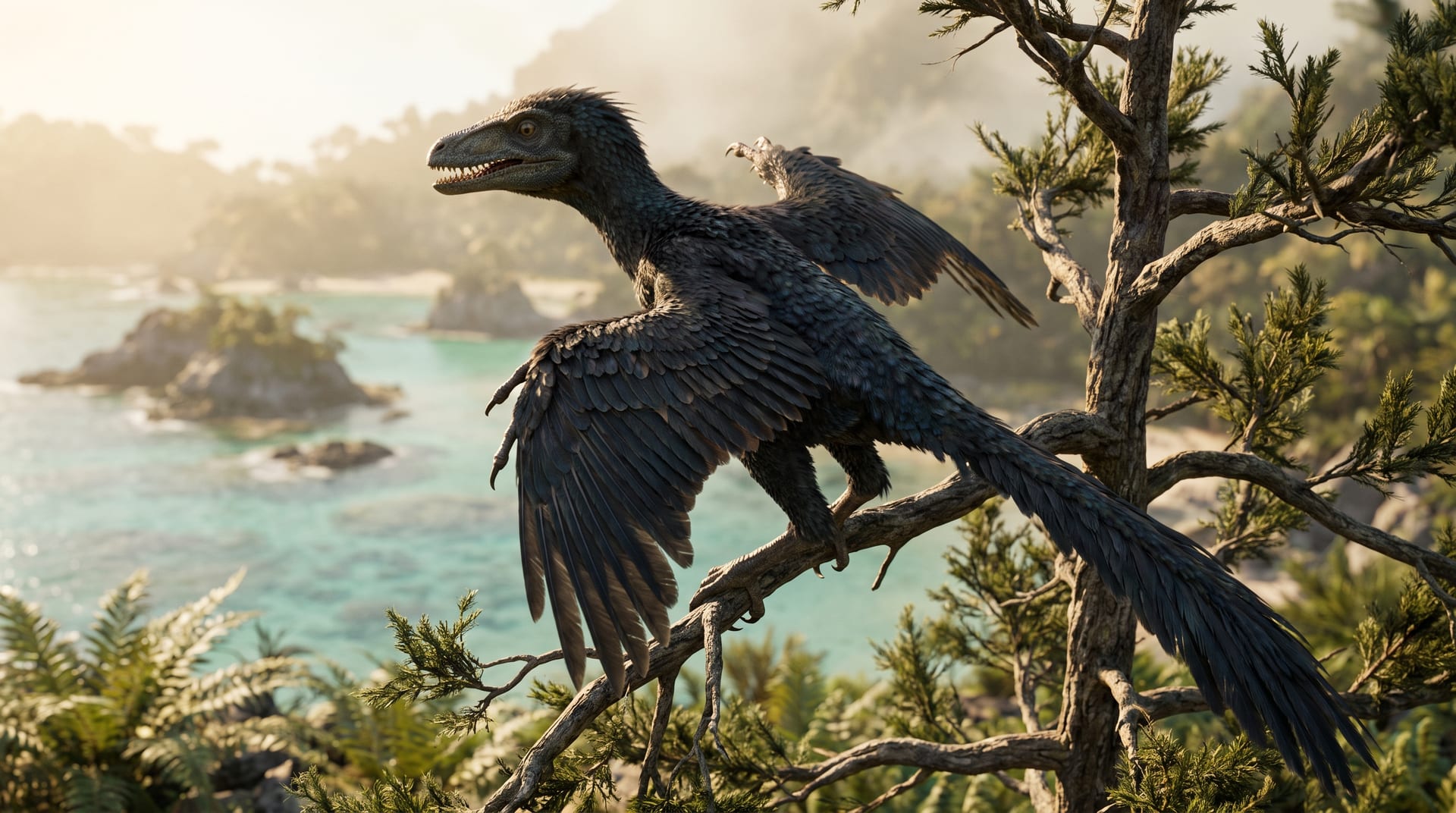
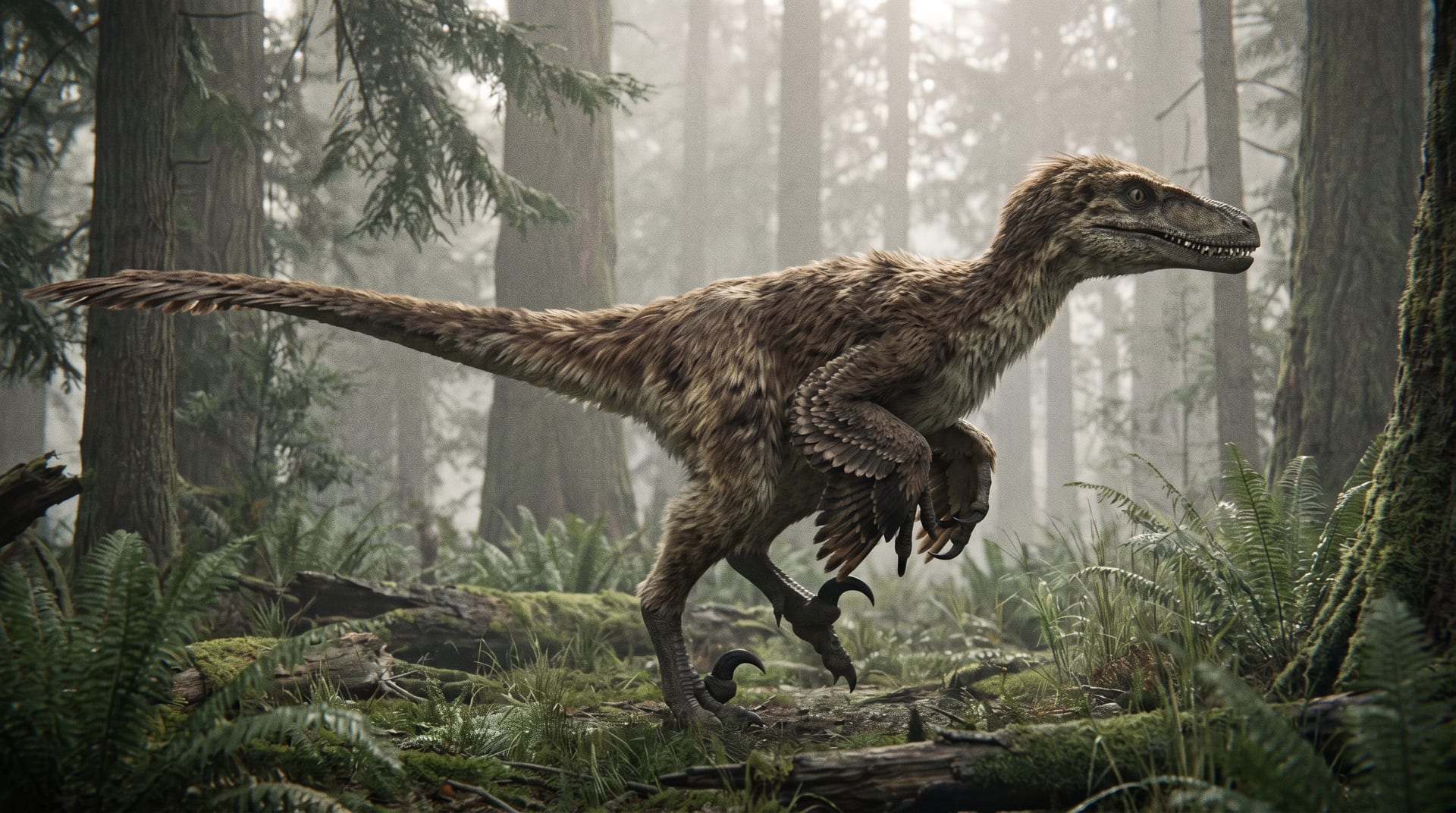
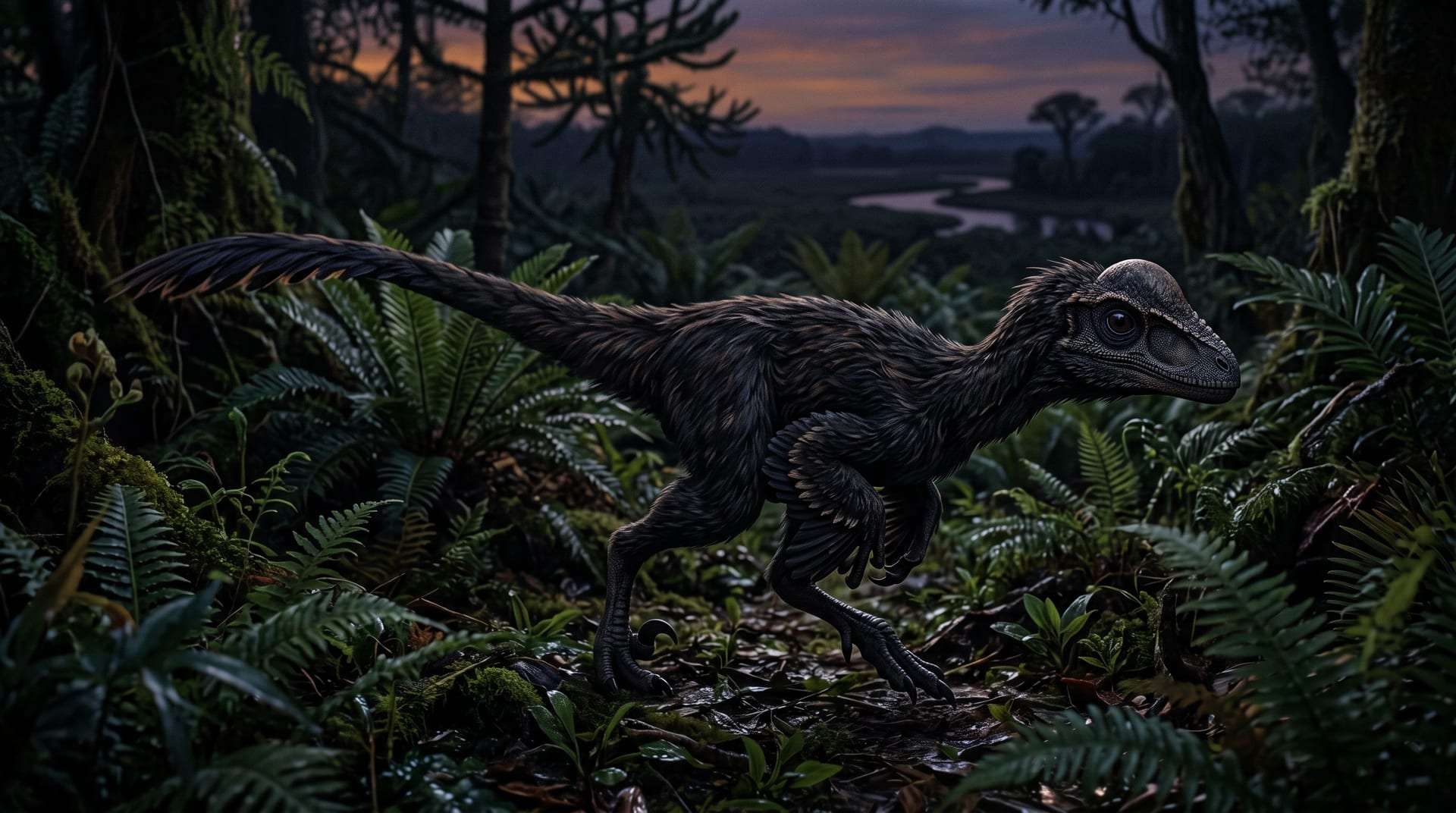
Xenovenator was a bird-like dinosaur with an unusually thick and domed skull that lived in what is now Coahuila, northern Mexico, in the Late Cretaceous, about 74 to 72 million years ago. It was a meat-eater estimated at just over three metres long and about 160 kilograms3, and its skull suggests it may have used head-butting during combat with members of its own species1. The only species is Xenovenator espinosai, the type species2.
How big was Xenovenator?
Only fragmentary skull bones2 of Xenovenator have been found. Based on anatomical comparisons, it is estimated to have reached just over three metres long and around 160 kilograms, which places it among the largest troodontids known3. Its describers place it in a clade of large-bodied North American troodontids1.
The skull is what stands out. In the holotype, the frontal and parietal bones of the skull roof are strongly domed and can reach up to 1.2 centimetres in thickness. CT scans show that these bones are densely constructed, with tightly interlocking sutures and a rugose, striated outer surface. The paratype specimens show less pronounced skull thickening and doming. That variation may reflect differences in age or sex1, with the most extreme reinforcement developing later in life or possibly only in one sex.
What did Xenovenator eat?
Fossil evidence marks Xenovenator as a carnivorous dinosaur. Héctor Rivera-Sylva, head of palaeontology at the Museo del Desierto, told the Mexican newspaper El Imparcial that it had very large eyes that let it hunt precisely even in low light, and very well-developed hearing3.
Troodontids in general are known for their relatively large brains and keen senses1. The known fossils of Xenovenator are a partial skull roof and braincase plus two isolated frontal bones2.
When and where did Xenovenator live?
In the late Campanian age of the Late Cretaceous, Xenovenator lived about 74 to 72 million years ago2. The reported ages differ slightly: Sci.News gives around 73 million years ago1 and El Imparcial about 74 million years ago3.
Its fossils come from the Cerro del Pueblo Formation of Coahuila, northern Mexico, at the La Parrita and Ejido Trincheras localities2. The researchers see it and its possible relative from New Mexico as a distinct clade of thick-skulled troodontids endemic to the Southwest of North America, and the find expands the known diversity of troodontid dinosaurs1 in that region.
How was Xenovenator discovered?
Martha C. Aguillón-Martínez collected the first specimen, a partial skull, at the La Parrita locality in the summer of 2000; an earlier paper had reported the field season as March 2007. It went to the Museo del Desierto as specimen CPC 2973. In 2023 she and Héctor Rivera-Sylva described it2 as the first non-tooth troodontid fossil from Mexico, but did not name it.
Two more frontal bones followed: CPC 2976, found at La Parrita in summer 2004, and CPC 3112, collected in 2002 at Ejido Trincheras2 and later donated to the museum anonymously. CT scans of the bones helped confirm that they belonged to a species not described before. The study was led by specialists from the Museo del Desierto, the Universidad Humanista de las Américas and the University of Bath3 in the United Kingdom.
Rivera-Sylva and colleagues named Xenovenator espinosai in 20264, in a paper in the journal Diversity1, with CPC 2973 as the holotype. The name joins the Greek xenos, strange, with the Latin venator, hunter2. The species name honours Luis Espinosa, whom El Imparcial calls a pioneering palaeontologist in the study of Mexico’s dinosaurs3.
The same paper tentatively moved Saurornitholestes robustus, a frontal bone from the Kirtland Formation of New Mexico described in 2006, into the genus as X.? robustus, although it lacks the characteristic domed skull roof. Later in 20262, Steven Jasinski and Robert Sullivan gave that bone its own genus, Dinevenator.
What kind of animal was Xenovenator?
Classification places Xenovenator among the troodontids, a group of agile theropod dinosaurs closely related to birds1. In its describers’ analysis it sits in the subfamily Troodontinae and the newly named clade Troodontini2, with Albertavenator as its closest relative.
Despite its dome, it was not a pachycephalosaur. Its skull closely resembles the reinforced skulls of dome-headed pachycephalosaurids, although the two groups were only distantly related. The researchers think the dome was most likely an adaptation for intraspecific combat, and if so it is the first known skull modified for such combat in a paravian. They also note that troodontine skull bones are sometimes rugose, which hints that combat may have been widespread in Troodontinae1. Its anatomical similarities to Asian species also give new evidence of faunal exchange between Asia and North America3, from a time when connections existed between the continents.
Similar dinosaurs
- Albertavenator: its sister taxon in the 2026 analysis2, but the thick, domed skull of Xenovenator is a unique specialization within the group1.
- Dinevenator: a troodontid from New Mexico once placed in Xenovenator, which lacks its domed skull roof2.
- Troodon: part of the sister group of Xenovenator and Albertavenator2 within Troodontini, without the thick dome that makes the Mexican genus unique among maniraptorans1.
- Pachycephalosaurids: dome-headed dinosaurs with similarly reinforced skulls, from a group only distantly related1 to troodontids.